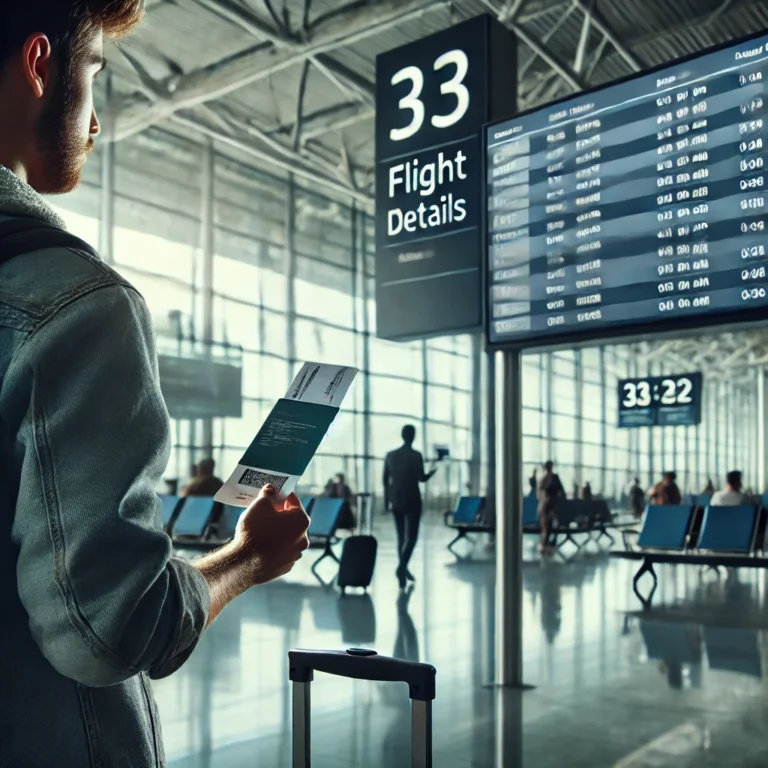
Navigating airports in major cities like Barcelona, Madrid, Istanbul, Rome, and Paris can be challenging, especially if you’re unfamiliar with the layout, customs, and transportation options. Each of these cities has its own unique airport experience and transportation system, and understanding them can greatly enhance your travel experience. Here’s a guide to help you efficiently navigate the airports and transportation options in these iconic cities.

1. Barcelona-El Prat Airport (BCN)
Overview: Barcelona-El Prat Airport is Spain’s second-largest airport, located about 12 kilometers southwest of the city center. It has two terminals: T1, which handles most international flights, and T2, which is primarily used by low-cost carriers.
Navigating the Airport:
- Check-In: If flying with a major airline, you’ll likely depart from T1. Arrive at least two hours before your flight to navigate security and check-in smoothly.
- Security: Barcelona airport is known for its efficient security process, but during peak seasons, lines can be long. Consider booking Fast Track security to save time.
- Amenities: The airport offers free Wi-Fi, lounges, a variety of shops, and restaurants. If you have a long layover, T1 has a VIP lounge with showers and comfortable seating.
Transportation Options:
- Aerobús: The Aerobús service is a convenient and affordable option to reach the city center, with buses running every 5-10 minutes. The journey takes about 35 minutes to Plaça Catalunya.
- Metro: The L9 Sud metro line connects the airport to various points in the city, with a transfer required to reach the city center.
- Taxi: Taxis are readily available and provide a quicker, but more expensive, option to get to your destination. The ride to the city center typically costs around €30-€35.
- Car Rental: Several car rental agencies operate at the airport, offering a good option if you plan to explore beyond Barcelona.
2. Madrid-Barajas Adolfo Suárez Airport (MAD)
Overview: Madrid-Barajas Airport is the largest airport in Spain, located about 12 kilometers northeast of the city center. It consists of four terminals, with T4 being the main hub for Iberia and international flights.
Navigating the Airport:
- Check-In: T4 is modern and expansive, so allow extra time for check-in and security. Use the airport’s app to navigate between terminals if needed.
- Security: Madrid airport can get busy, especially during the holiday season. Consider using Fast Track services for a quicker experience.
- Amenities: The airport offers free Wi-Fi, numerous shops, restaurants, and several VIP lounges, particularly in T4, which also has a sleep and shower area for long-haul travelers.
Transportation Options:
- Metro: The airport is connected to the city center by Metro Line 8, with a travel time of about 15 minutes to Nuevos Ministerios station.
- Cercanías Train: The C1 train line offers a direct route to Atocha and Chamartín train stations, ideal for connecting to other parts of Spain.
- Taxi: Taxis are available 24/7 and cost around €30 for a flat rate to the city center.
- Bus: The Airport Express bus (Exprés Aeropuerto) is available 24 hours a day and connects the airport with key locations in Madrid, including Atocha station.
3. Istanbul Airport (IST)
Overview: Istanbul Airport, one of the largest in the world, is located about 40 kilometers northwest of the city center. It replaced Atatürk Airport and is now Turkey’s main international gateway.
Navigating the Airport:
- Check-In: Istanbul Airport is vast, so it’s advisable to arrive at least three hours before your flight. The airport is well-signposted, but be prepared for long walks between gates.
- Security: Security is thorough but efficient. Expect additional checks for international flights.
- Amenities: The airport offers free Wi-Fi for a limited time, a wide range of shops and restaurants, and several lounges, including the Turkish Airlines Lounge, known for its amenities like showers and sleeping pods.
Transportation Options:
- Havaist Buses: These buses connect the airport to several central locations in Istanbul, including Taksim and Sultanahmet, with travel times varying between 40 minutes to over an hour, depending on traffic.
- Taxi: Taxis are available but can be expensive due to the distance from the city center. Expect to pay around 200-250 TL for a ride to central Istanbul.
- Metro (Upcoming): A metro line is under construction, which will eventually connect the airport to the city, making travel faster and more convenient.
4. Rome-Fiumicino Leonardo da Vinci Airport (FCO)
Overview: Fiumicino Airport is Rome’s largest airport, located about 35 kilometers southwest of the city center. It’s a major hub for Alitalia and serves as a gateway to Italy for many international travelers.
Navigating the Airport:
- Check-In: The airport is divided into multiple terminals, with Terminal 3 handling most international flights. Allow plenty of time to navigate through security, especially during peak travel seasons.
- Security: Security at Fiumicino is generally efficient, but lines can be long, so arrive early.
- Amenities: The airport offers free Wi-Fi, a variety of shopping and dining options, and several lounges, including the Casa Alitalia Lounge in Terminal 1.
Transportation Options:
- Leonardo Express Train: The Leonardo Express offers a direct connection to Rome’s Termini Station, with a journey time of about 30 minutes. Trains depart every 15 minutes.
- Taxis: Taxis to the city center have a fixed fare of €48, making it a convenient, though pricier, option.
- Buses: Several bus services connect the airport to central Rome, including the Terravision and SIT Bus Shuttle, which are more budget-friendly alternatives to taxis and trains.
- Car Rental: Car rental services are available, ideal for those planning to explore the wider Lazio region.
5. Paris Charles de Gaulle Airport (CDG)
Overview: Charles de Gaulle Airport, located about 25 kilometers northeast of Paris, is France’s largest and busiest airport. It’s a major hub for Air France and one of the principal airports in Europe.
Navigating the Airport:
- Check-In: CDG is known for its size and complexity, so arrive at least three hours before your flight, especially for international travel. The airport has three main terminals, with Terminal 2 handling most of the international flights.
- Security: Security checks at CDG are thorough, and lines can be long during peak times. Plan accordingly.
- Amenities: The airport offers free Wi-Fi, a wide range of dining and shopping options, and several lounges, including the Air France Lounge, known for its comfort and services.
Transportation Options:
- RER B Train: The RER B train line connects CDG to central Paris, with a travel time of about 30-40 minutes to major stations like Gare du Nord. Trains run every 10-15 minutes.
- Taxis: Taxis are available and charge a flat rate—€55 to the Right Bank and €60 to the Left Bank.
- Roissybus: The Roissybus service offers a direct connection to Opéra in central Paris, taking about 60 minutes depending on traffic.
- Car Rental: Several car rental companies operate at CDG, making it easy to rent a car for exploring Paris and the surrounding regions.