The Call of the Untamed Wilderness
The sun was still lazily stretching across the horizon when our small plane descended through a sea of clouds, revealing a land both fearsome and magnificent. Patagonia. A name whispered among adventurers like a siren’s call, promising the kind of rugged beauty and wild challenges that make a journey unforgettable. My heart pounded in rhythm with the propeller’s hum as we touched down in El Calafate, a gateway to the vast, untamed expanse that lay ahead.
The air was crisp, biting at exposed skin with a sharpness that both invigorated and warned of the challenges to come. Patagonia is not for the faint of heart. It’s a land where the mountains soar like jagged teeth, rivers roar with the fury of ancient gods, and the winds—oh, the winds—howl with a primal ferocity that can strip a person of pretense and bring them face to face with their rawest self.
We were prepared, or so we thought. Every adventurer heading into these wilds needs to be armed with the right gear. Layered clothing was essential—synthetic fabrics to wick away sweat, insulating layers to trap warmth, and a windproof, waterproof shell to fend off the elements. The unpredictable Patagonian weather can turn from sunny skies to freezing rain in a heartbeat. Sturdy boots, broken in to avoid the misery of blisters, were our trusty companions, and a reliable backpack with rain cover carried our supplies—water, high-energy snacks, a first-aid kit, and a map, though it would soon become apparent that the land had its own way of testing even the most prepared traveler.
The Trek to the Edge of the World
The first few days were a test of will and endurance. The Torres del Paine Circuit, one of the most revered treks in the world, beckoned. This was no mere hike—it was an epic journey through the heart of Patagonia’s most dramatic landscapes, a 100-kilometer odyssey through dense forests, across roaring rivers, and over rugged mountain passes.
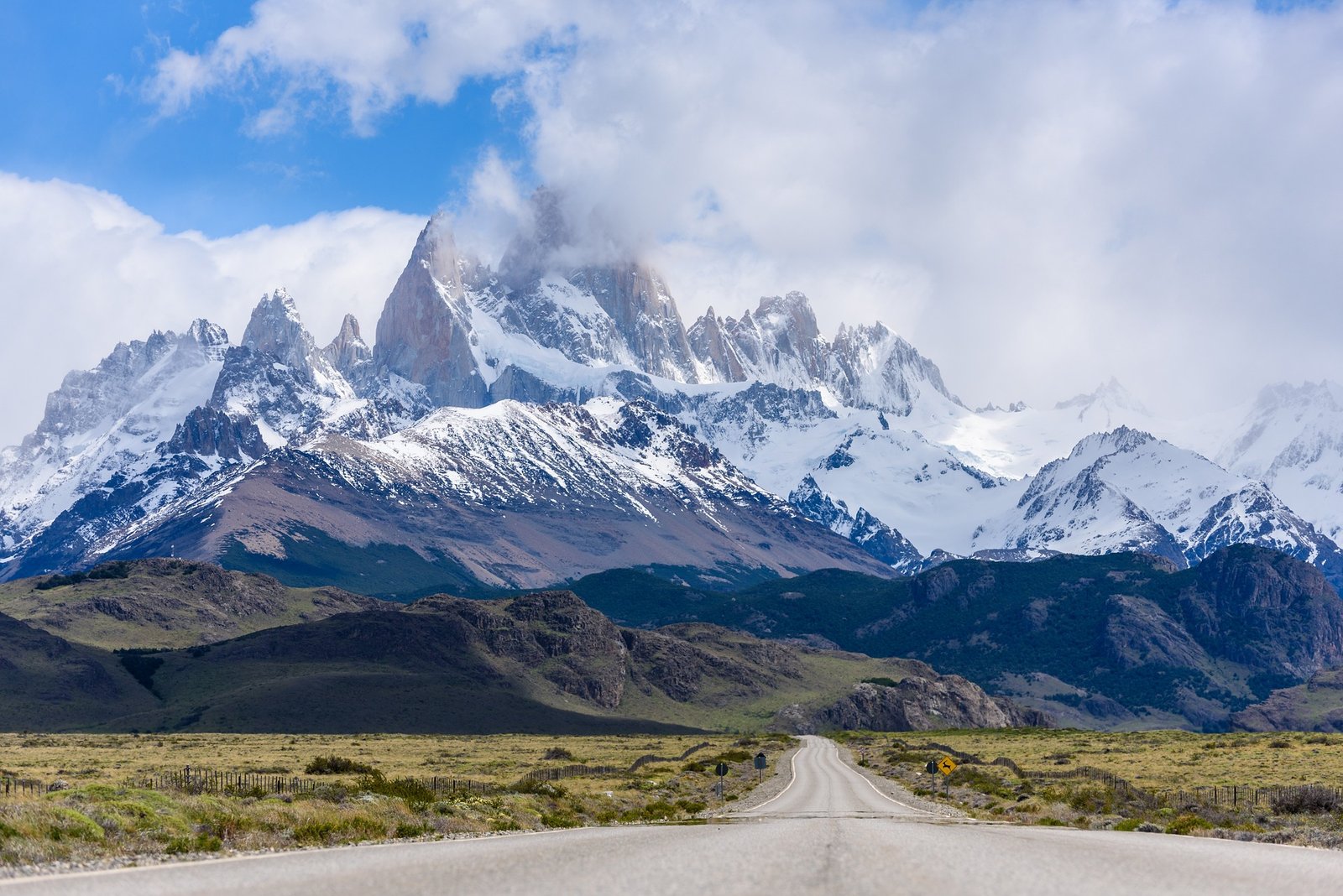
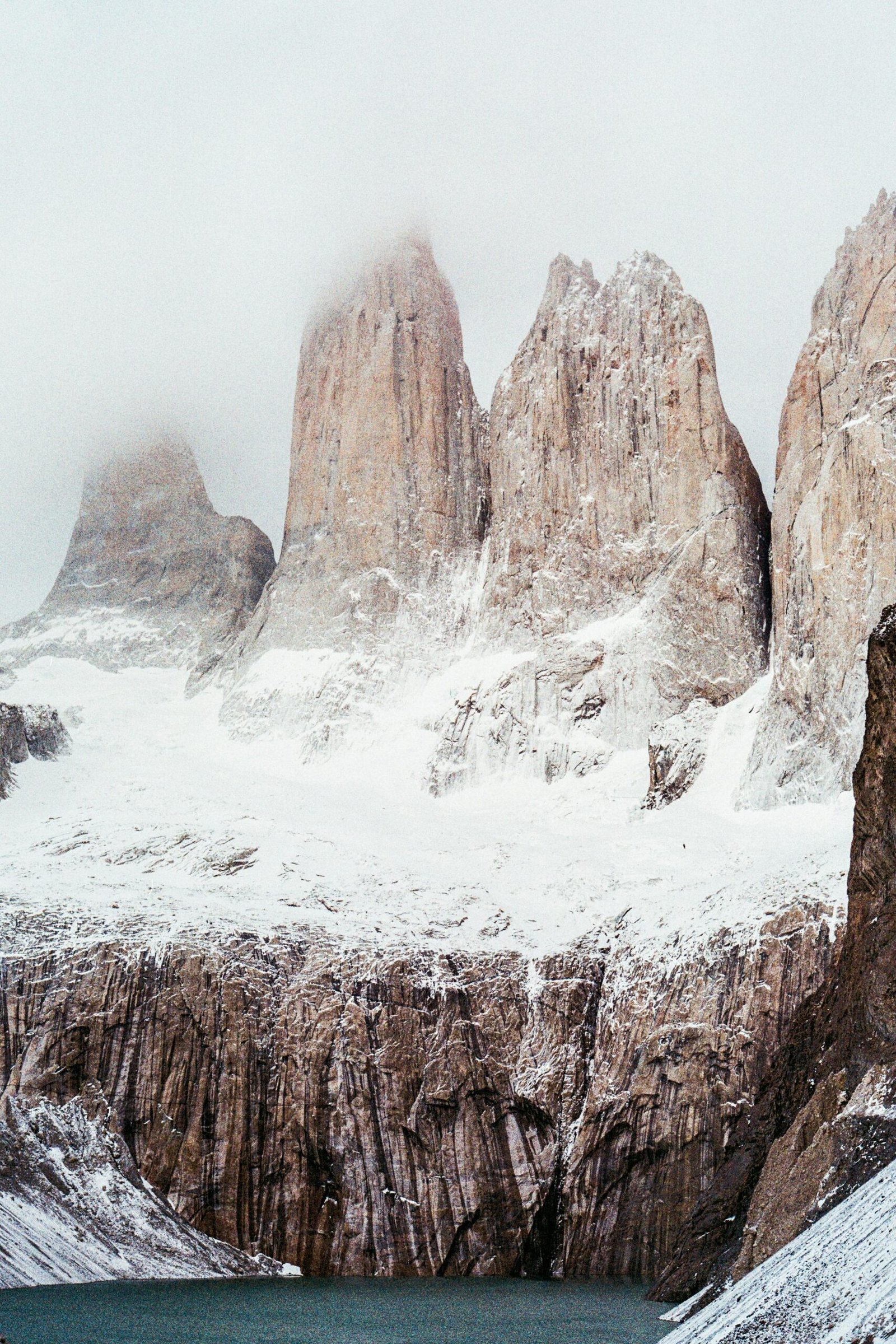
The trail was unforgiving, with steep ascents that burned the muscles and descents that tested the knees. Every turn revealed new wonders—turquoise lakes glimmering like gemstones, glaciers creaking and groaning as they inched forward in their eternal march, and the iconic spires of the Torres del Paine themselves, piercing the sky like sentinels of stone.
We quickly learned that in Patagonia, nature doesn’t just show its beauty; it demands respect. The rivers, swollen with glacial melt, required careful crossing, using ropes and teamwork to avoid being swept away by the current. The relentless wind, at times reaching speeds that could knock a person off their feet, became both a challenge and a constant reminder of the power of the elements. For those brave souls who wish to follow this path, trekking poles are not just a luxury—they’re a necessity, providing stability on the rough terrain and helping to conserve energy on long ascents.
The wind was a constant companion, sometimes a gentle breeze, other times a gale-force blast that threatened to hurl us from the trail.
Crossing the Ice Fields
As if the circuit wasn’t challenge enough, we set our sights on something even more daring—the Southern Patagonian Ice Field. This vast expanse of ice and snow is the third largest in the world, a frozen wilderness that stretches as far as the eye can see, where crevasses yawn like hungry mouths and the weather can change in an instant from brilliant sunshine to a blinding blizzard.
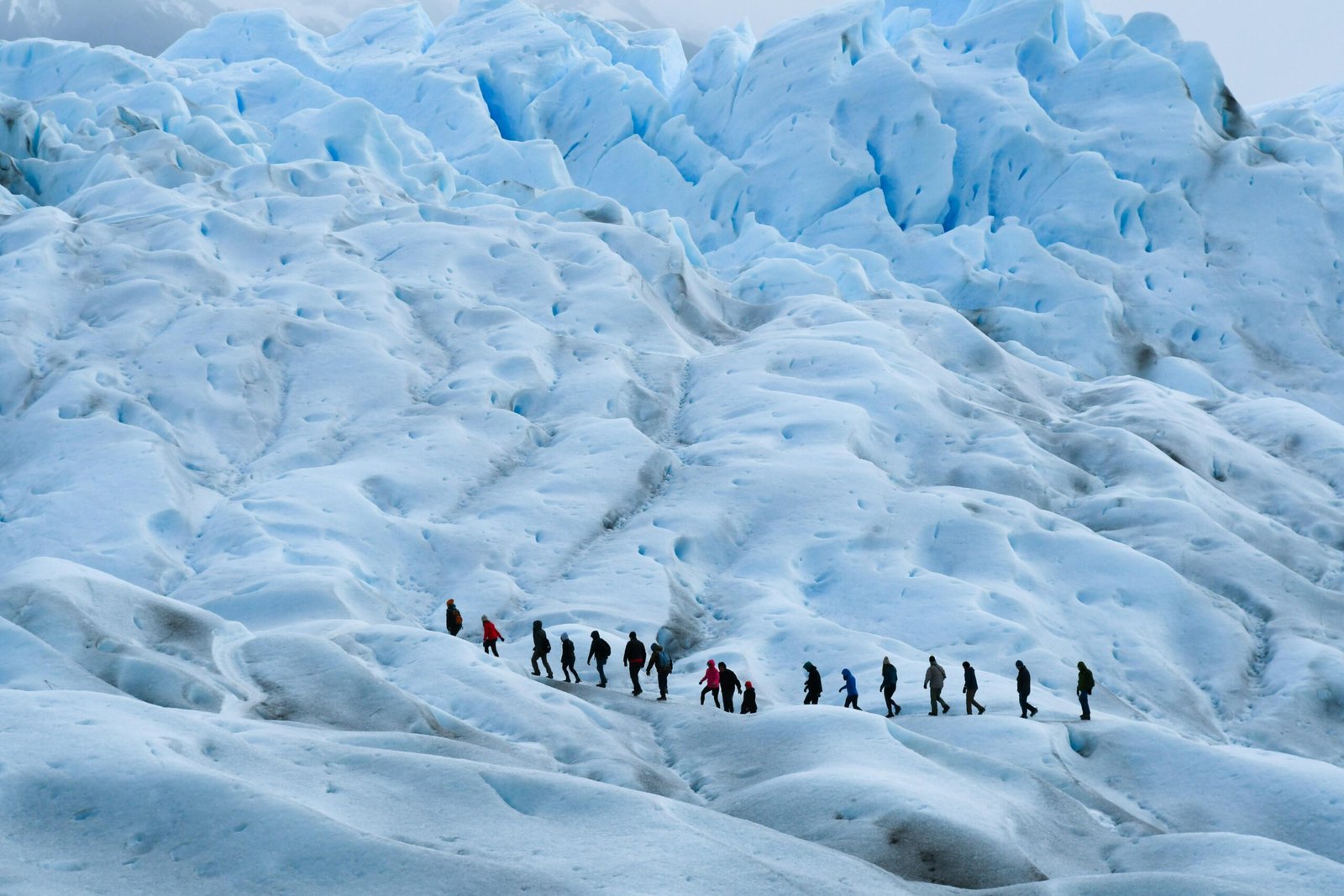
Our guide, a grizzled veteran of many such expeditions, led us with the confidence of someone who had danced with the ice before and lived to tell the tale. Roped together, we stepped onto the ice, our crampons biting into its surface with each careful step. The sound of our breaths, heavy and labored, mingled with the eerie silence of the ice field—a silence broken only by the occasional thunderous crack of the glacier shifting beneath us.
Navigating the ice field wasn’t just about physical endurance; it was a mental game, too. The white landscape, featureless to the untrained eye, could disorient even the most experienced traveler. GPS devices, while helpful, were secondary to the skill of reading the land itself—the subtle changes in the ice, the patterns of snowdrifts, and the feel of the ground underfoot. Patagonia rewards those who are prepared, and punishes those who are not.
The ice field was a world unto itself, a place where time seemed to stand still, and the sheer scale of the landscape dwarfed everything else. It was humbling, awe-inspiring, and terrifying all at once. But as we stood there, at the edge of the world, looking out over a sea of white that seemed to go on forever, there was a sense of triumph, of having faced the wild and emerged victorious.
The Lagoons and Legends
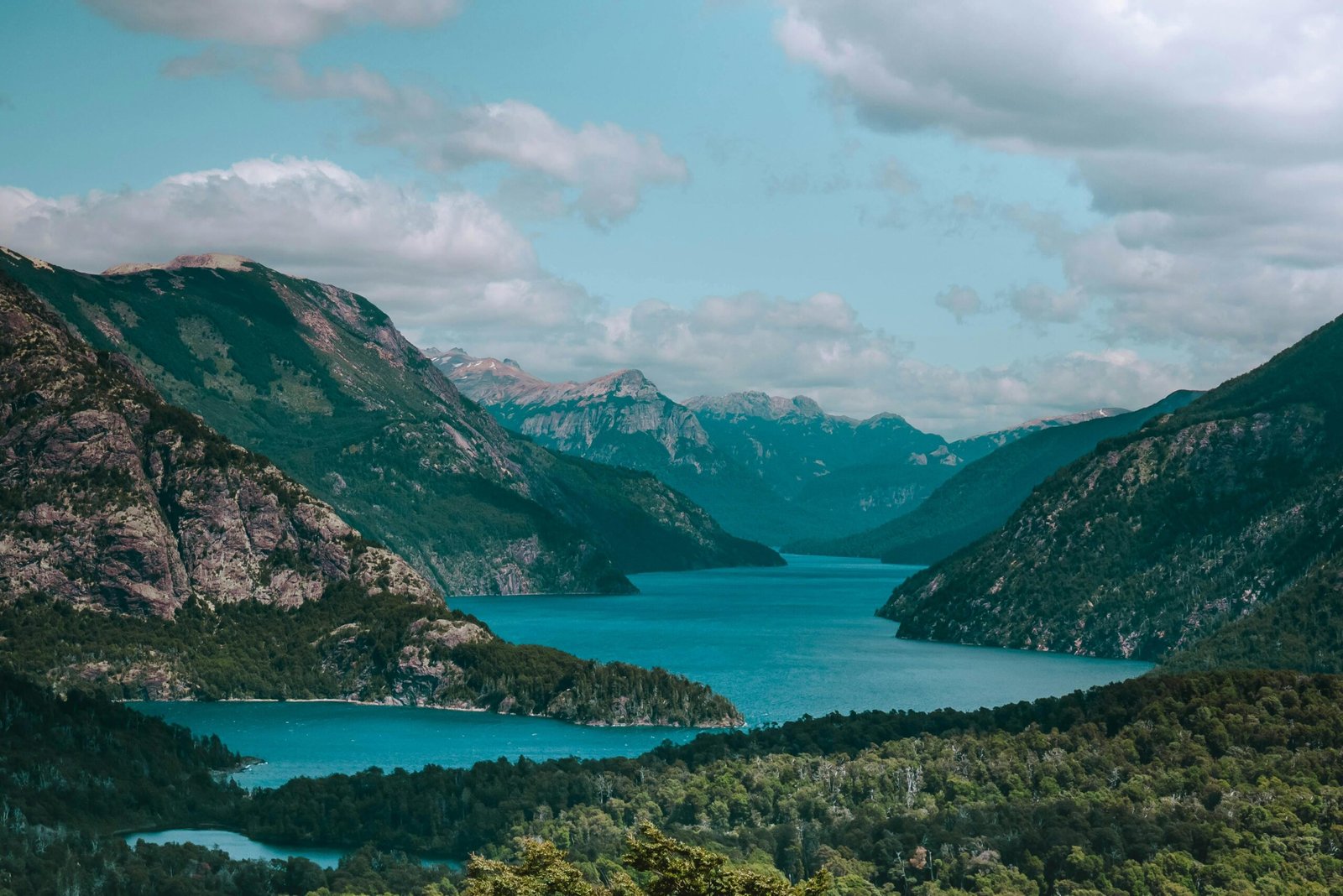
After the ice fields, we sought something equally thrilling but in a different way—kayaking through the surreal blue waters of Laguna Azul. This wasn’t just a leisurely paddle. The lagoon, fed by glacial melt, was as cold as it was beautiful, and the winds that whipped across its surface could turn the water treacherous in seconds.
Our kayaks sliced through the icy water, each stroke a mix of power and precision. The lagoon was a mirror, reflecting the towering peaks around it, and for a moment, the world felt infinite, as if the sky and water were one. But Patagonia doesn’t let you forget its power. A sudden gust of wind caught us off guard, nearly capsizing the kayak. It was a stark reminder that in these lands, the margin for error is razor thin. Dry bags, waterproof clothing, and a solid understanding of water safety are your lifelines in these situations.
Locals tell of ancient legends tied to these waters—spirits of the mountains who watch over the land, rewarding the respectful and punishing the reckless. Whether you believe in such tales or not, there’s an undeniable energy in the air, a sense that this land is alive and aware of your presence. The indigenous Tehuelche people, who have lived here for millennia, respect the land deeply, understanding that survival in Patagonia is a dance with nature, not a conquest.
Crossing the Pampas by Horseback
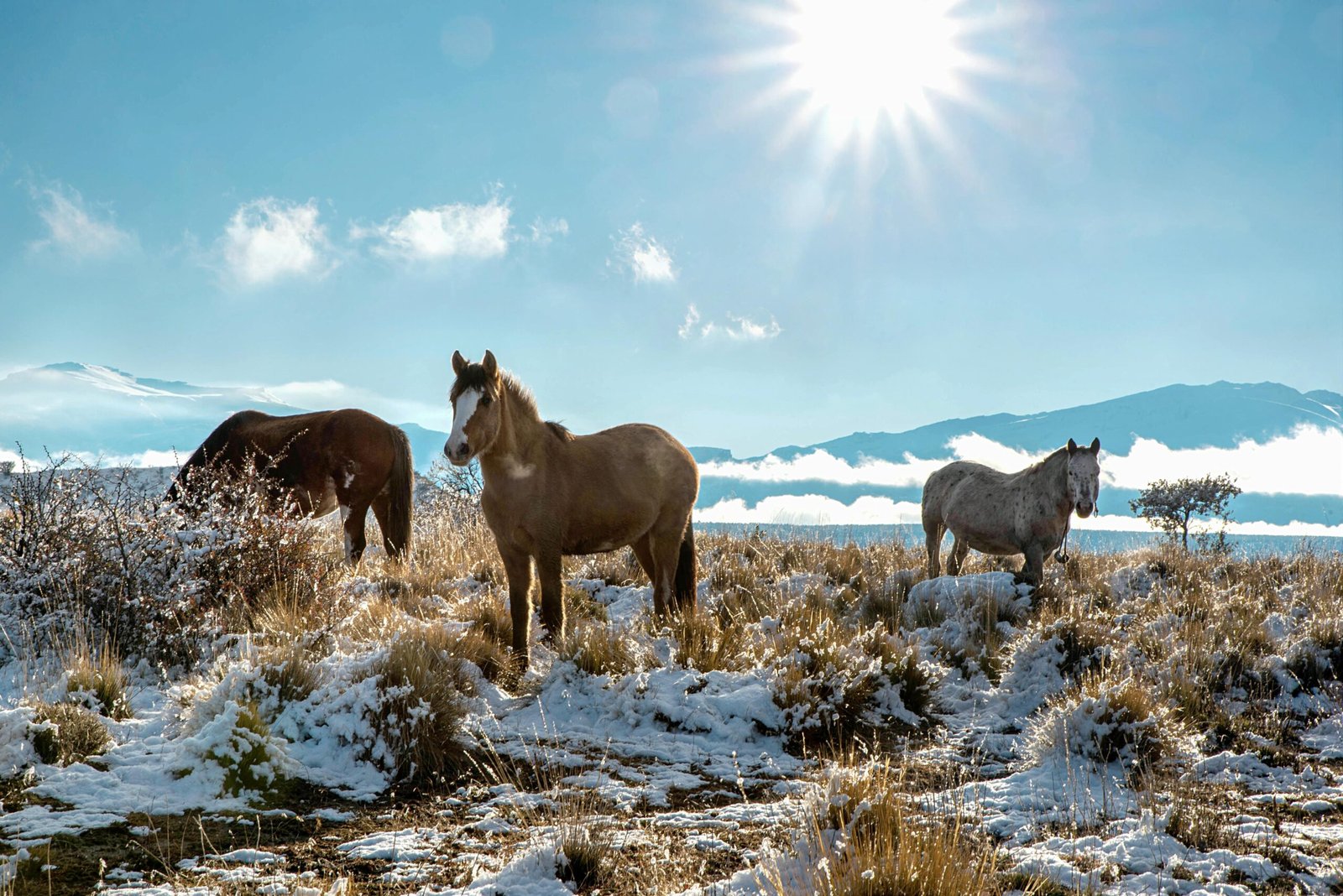
Our journey wouldn’t be complete without experiencing Patagonia as the gauchos do—from the back of a horse, traversing the wide-open pampas. Here, the land stretches out to the horizon, a vast sea of golden grass under an endless sky. The solitude was profound, broken only by the rhythmic clop of hooves and the occasional cry of a condor soaring high above.
Riding through the pampas, you feel a connection to the land that’s hard to describe—a sense of freedom, of being part of something much larger. The gauchos, masters of this terrain, are more than guides; they’re storytellers, historians, and protectors of a way of life that has endured for centuries. They’ll teach you the secrets of the land, from how to spot the best places to camp to the importance of respecting the wildlife that calls this place home.
But the pampas, for all its beauty, is not without its dangers. Sudden storms can sweep across the plains, and the temperature can drop dramatically as night falls. A good horse, warm clothing, and the ability to navigate by the stars are essential skills in these remote areas. The nights spent around the campfire, sharing stories and gazing up at the unpolluted night sky, are a reward in themselves—a reminder that adventure isn’t just about the physical journey, but also about the connections you make along the way.
The Final Ascent
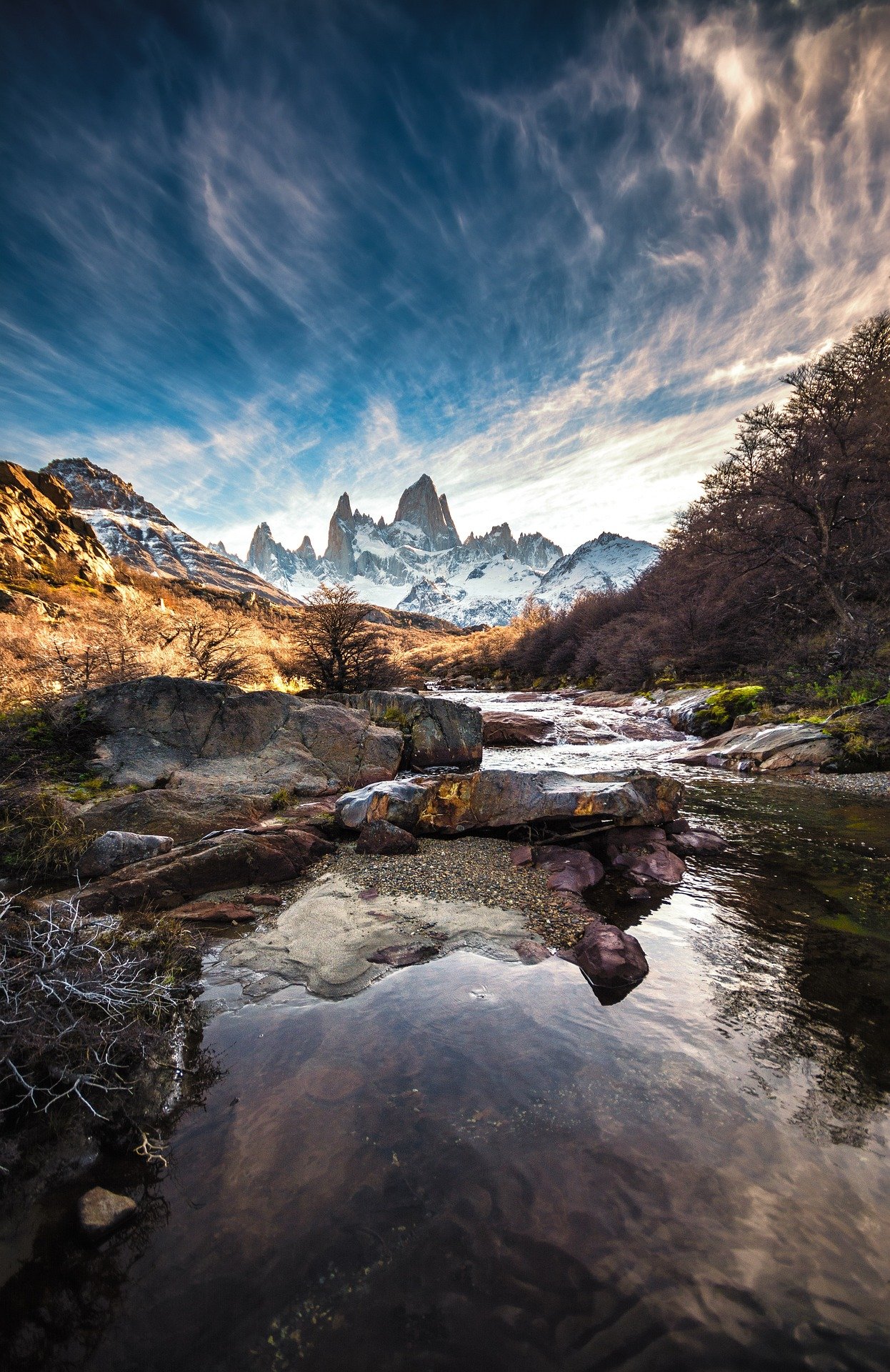
The crown jewel of our Patagonian adventure awaited us—the ascent of Cerro Fitz Roy. This mountain, one of the most challenging climbs in South America, loomed on the horizon like a forbidding giant. Its sheer granite faces and unpredictable weather had turned back many a climber, but for us, it was the ultimate test, the final chapter in our adventure story.
The climb began before dawn, our headlamps casting eerie shadows on the trail as we made our way upward, each step a battle against gravity and fatigue. The air thinned as we ascended, and the cold bit deeper, but there was no turning back now. We were committed, driven by a hunger for the summit that was as primal as the mountains themselves.
The final push was the hardest—a near-vertical scramble up a rocky face, with nothing but the sky above and the abyss below. But when we finally crested the ridge, the sight that greeted us was worth every drop of sweat, every aching muscle. The sun was rising, casting a golden glow over the world below, and there, standing proudly against the dawn, was the peak of Cerro Fitz Roy, its summit wreathed in wisps of cloud.
For those who dare to take on this challenge, preparation is everything. The climb requires not just physical strength but mental fortitude. Warm clothing, a reliable harness, climbing ropes, and plenty of water are non-negotiable. And always, always, respect the mountain. Cerro Fitz Roy has earned its reputation as a formidable opponent, and only those who approach it with humility will be allowed to stand on its summit.
Reflections in the Aftermath
Patagonia had tested us, challenged us in ways we had never imagined, but it had also rewarded us with moments of pure, unfiltered beauty, the kind that stays with you long after the journey is over. As we made our way back to civilization, bruised, battered, but with hearts full of the wild spirit of the land, there was a sense of accomplishment, a deep connection to the earth, and an understanding of the balance between man and nature.
Adventure travel is not about comfort or ease. It’s about stepping into the unknown, embracing the challenges, and coming out the other side changed. And in Patagonia, we found not just a destination, but a journey of the soul—one that will echo in our memories for years to come.
As we returned to El Calafate, where the comforts of warm beds and hot showers awaited, there was a bittersweet realization that the adventure was over. Yet, the call of the wild had left its mark, a siren song that whispered of future expeditions, of other mountains to climb, rivers to cross, and trails to blaze.
The Journey Continues
The plane lifted off from El Calafate, the rugged peaks of Patagonia receding into the distance, but the thrill of the adventure remained. For those who seek the thrill of the unknown, the challenge of the wild, and the beauty of nature in its rawest form, Patagonia is waiting. The world is vast, the possibilities endless, and the next adventure is just over the horizon.
The question is—are you ready to answer the call?
Local Tours and Guides
While Patagonia is a paradise for independent adventurers, joining a local tour can enhance your experience by providing expert guidance and insider knowledge that you might miss on your own. Here are some highly recommended tours and guides:
- Torres del Paine Full Circuit Trek
- Tour Guide: Erratic Rock is a well-known company based in Puerto Natales that offers guided treks around Torres del Paine, including the challenging Full Circuit (O) and the shorter W Trek.
- Highlights: Besides expert navigation through the tough terrain, guides from Erratic Rock provide valuable insights into the park’s wildlife, geology, and history, adding depth to your experience.
- Glacier Hiking on Perito Moreno
- Tour Guide: Hielo y Aventura is the only company authorized to guide hikes on the Perito Moreno Glacier near El Calafate.
- Highlights: This tour includes trekking across the glacier with crampons, exploring ice caves, and learning about the glacier’s unique features from knowledgeable guides. The tour ends with a celebratory glass of whiskey served with glacier ice—an unforgettable Patagonian tradition!
- Kayaking in Laguna Azul
- Tour Guide: Kayak en Patagonia offers guided kayaking tours on various Patagonian lakes and lagoons, including Laguna Azul.
- Highlights: These tours allow you to paddle through pristine waters surrounded by breathtaking landscapes. The guides focus on safety and environmental stewardship, ensuring a responsible and enriching experience.
- Horseback Riding in the Pampas
- Tour Guide: Estancia Cristina is a historical ranch located in Los Glaciares National Park that offers horseback riding tours.
- Highlights: Experience the vast Patagonian pampas like a gaucho. The tours are led by local cowboys who not only guide you through the stunning landscapes but also share stories of Patagonia’s rich cultural heritage.
Meals and Food Management in Patagonia
Eating well is crucial when tackling the demanding terrain of Patagonia. Here’s how meals are typically managed:
- Self-Catering on Treks
- Provisions: For multi-day treks like the Torres del Paine Circuit, it’s common to carry your own food. Lightweight, high-calorie foods such as dried fruits, nuts, granola bars, instant noodles, and dehydrated meals are essential. Many trekkers use small portable stoves to prepare hot meals, especially in the colder months.
- Water: Patagonia is blessed with abundant fresh water. Rivers, streams, and lakes fed by glacial melt are usually safe to drink from, but it’s always a good idea to bring a water filter or purification tablets just in case.
- Refugios (Mountain Huts)
- Dining Options: Along popular trekking routes in Torres del Paine, there are refugios—rustic lodges where you can purchase meals or enjoy pre-arranged full board services. Meals are often hearty and simple, focusing on warming soups, stews, and locally sourced ingredients.
- Reservations: It’s advisable to book meals in advance, as these refugios can get crowded during peak trekking season.
- Local Cuisine in Towns
- El Calafate and Puerto Natales: These towns are hubs for adventurers, offering a variety of restaurants where you can sample traditional Patagonian cuisine. Don’t miss out on asado (barbecue), featuring lamb or beef grilled to perfection. Other local specialties include empanadas, cazuela (a hearty meat and vegetable stew), and calafate berry desserts, named after the local berry said to ensure your return to Patagonia.
- Recommendations:
- La Tablita in El Calafate is famous for its lamb dishes.
- Afrigonia in Puerto Natales offers a fusion of Patagonian and African flavors, providing a unique dining experience.
- Grocery Stores and Markets
- In towns like El Calafate, Puerto Natales, and Punta Arenas, you can find supermarkets where you can stock up on provisions before heading out on treks. Fresh bread, local cheeses, cold cuts, and fruits are readily available and make for easy-to-pack snacks.
- Emergency Food Supplies
- Always carry some extra energy bars, chocolate, or trail mix. In the unpredictable weather of Patagonia, you might find yourself needing an extra boost, especially if your trek takes longer than expected.
Final Tips for Managing Food and Meals
- Planning: Whether you’re relying on refugios, self-catering, or a combination of both, planning your meals ahead of time is crucial. Pack more food than you think you’ll need—Patagonia’s trails can be longer and tougher than they appear on the map.
- Dietary Restrictions: If you have dietary restrictions, communicate this when booking refugios or tours that include meals. While options might be limited, most places can accommodate vegetarians, vegans, or gluten-free diets with advance notice.
- Local Markets: Take the opportunity to visit local markets where you can find fresh produce and regional specialties. This not only supports the local economy but also gives you a taste of authentic Patagonian flavors.
This blend of thrilling adventure and practical tips should help you prepare for your journey into the wilds of Patagonia, ensuring you’re well-fed and fully equipped to tackle whatever challenges this magnificent land throws your way. Happy adventuring!