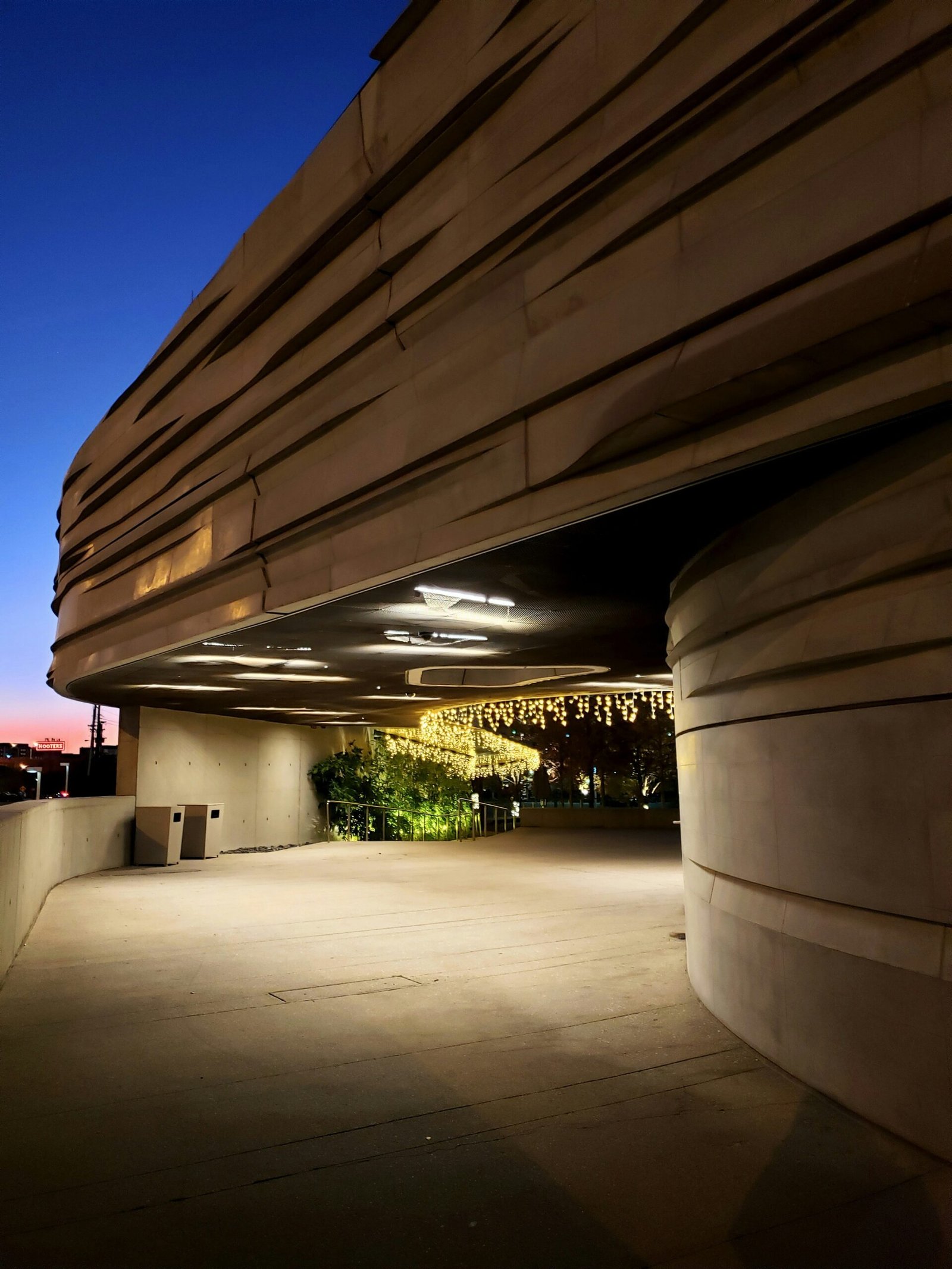
These 20 marvels reflect the diversity and innovation of modern architecture in the United States. From groundbreaking skyscrapers to iconic cultural institutions, each structure contributes uniquely to the architectural narrative of the nation.
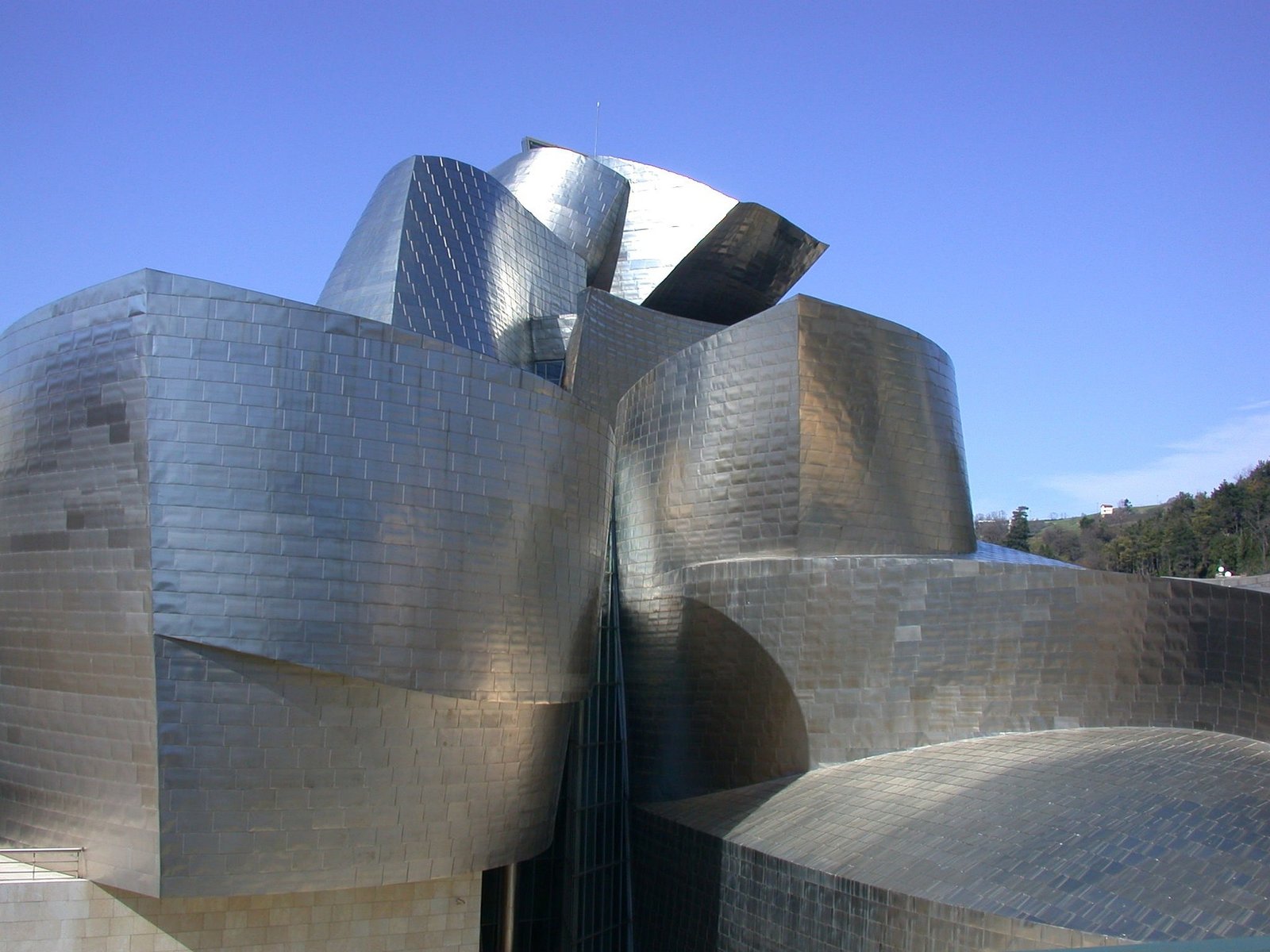
1. Walt Disney Concert Hall
Location: Los Angeles, California
Architect: Frank Gehry
Year Completed: 2003
A shining example of contemporary architecture, the Walt Disney Concert Hall is known for its sweeping curves and reflective surfaces, which create a dynamic interplay of light and shadow.
The hall exemplifies Gehry’s sculptural approach to architecture and his ability to create iconic structures that harmonize with their environment.
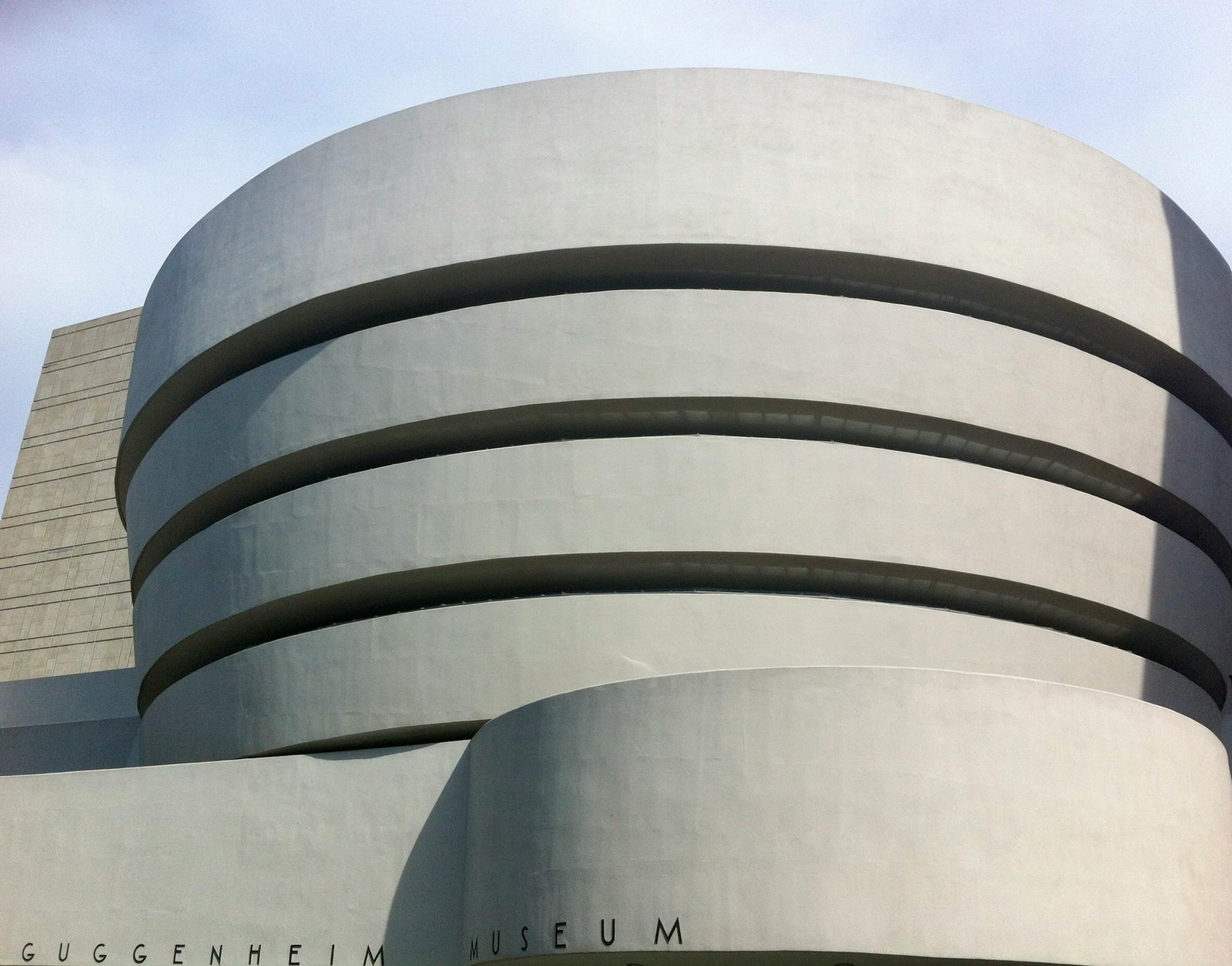
2. The Guggenheim Museum
Location: New York, New York
Architect: Frank Lloyd Wright
Year Completed: 1959
The Guggenheim Museum is a masterpiece of modern architecture, featuring a spiraling ramp that ascends the building’s interior, offering a unique experience of viewing art.
Wright’s design challenged conventional museum architecture and has become a symbol of modernism, influencing museum designs worldwide.
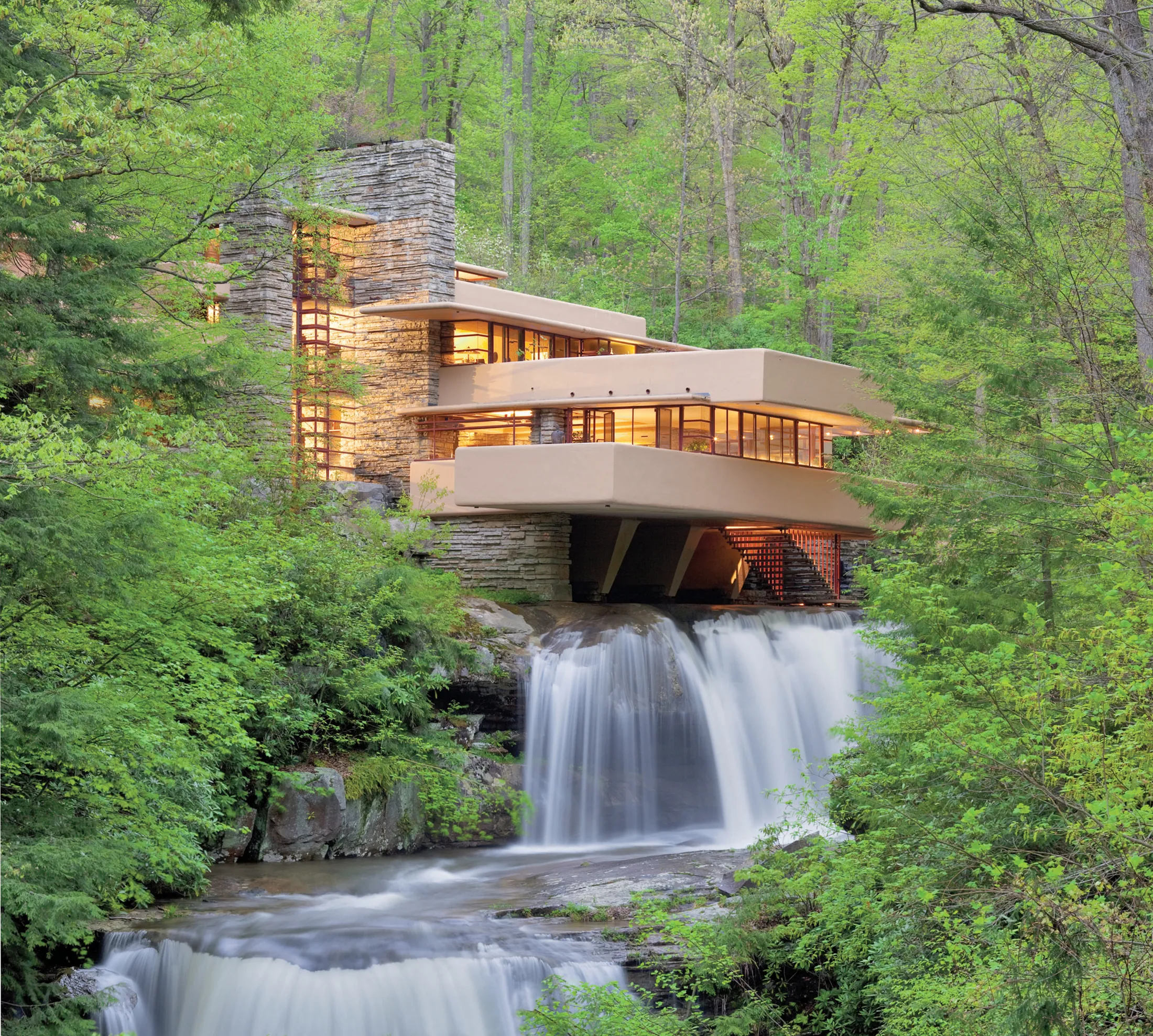
3. Fallingwater
Location: Mill Run, Pennsylvania
Architect: Frank Lloyd Wright
Year Completed: 1939
Fallingwater is a stunning example of Wright’s philosophy of organic architecture, as it seamlessly integrates with the surrounding landscape, literally sitting atop a waterfall.
This home exemplifies the harmony between human habitation and nature, making it one of the most iconic houses in the world.
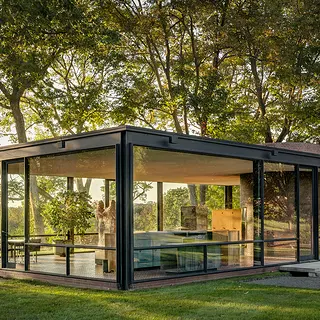
4. The Glass House
Location: New Canaan, Connecticut
Architect: Philip Johnson
Year Completed: 1949
The Glass House is an iconic work of modern architecture, known for its transparency and minimalist approach. The structure uses glass walls to blur the line between interior and exterior spaces.
This house is a critical piece of modernist architecture, influencing the design of many subsequent buildings by embracing minimalism and the use of industrial materials.
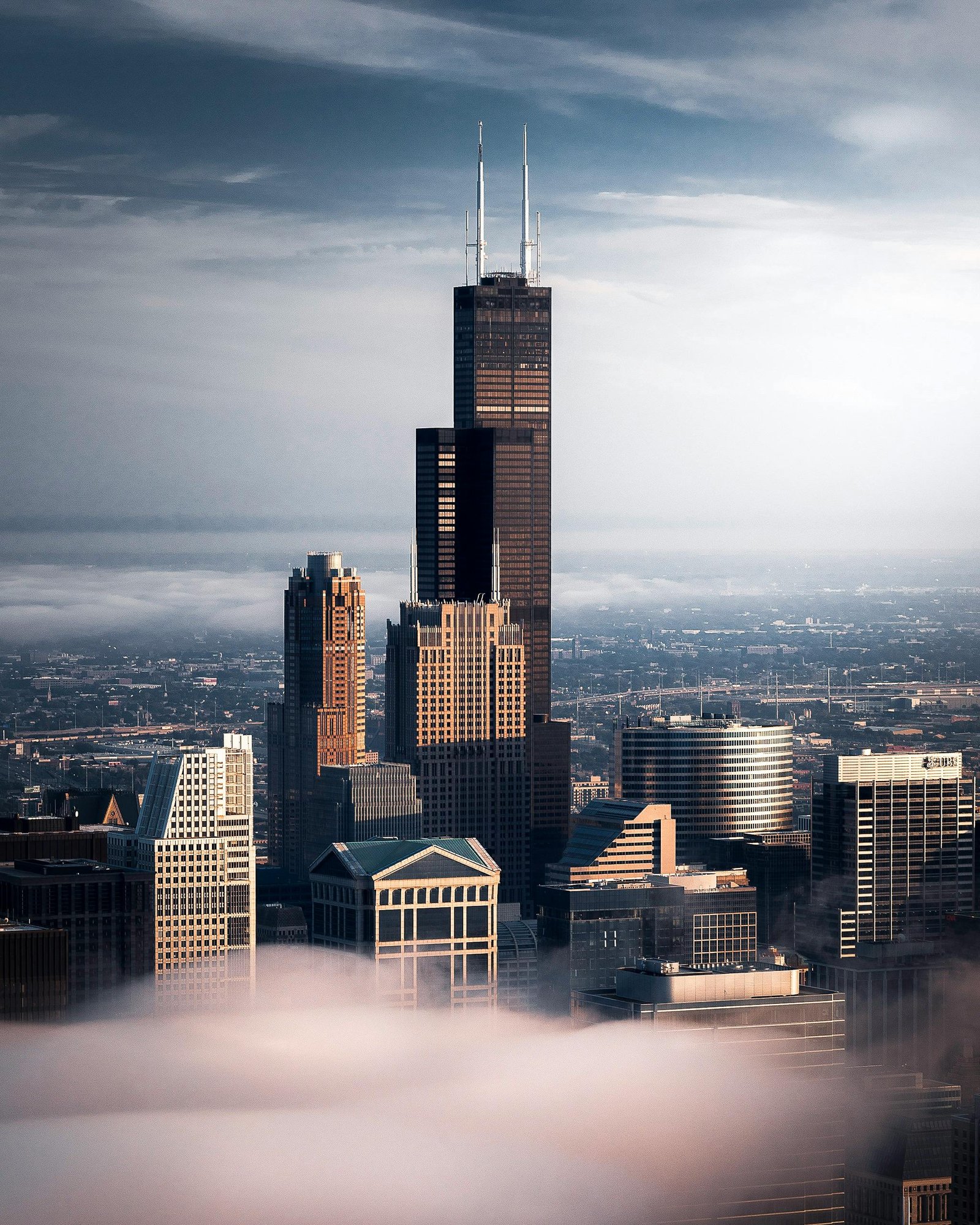
5. The Willis Tower (formerly Sears Tower)
Location: Chicago, Illinois
Architect: Skidmore, Owings & Merrill (Bruce Graham, Fazlur Rahman Khan)
Year Completed: 1973
Once the tallest building in the world, the Willis Tower’s bundled-tube structure is a significant advancement in skyscraper design, allowing for greater height without compromising stability.
This skyscraper represents a leap in engineering and architectural design, setting a precedent for future supertall structures.
6. The Farnsworth House
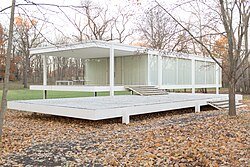
Location: Plano, Illinois
Architect: Ludwig Mies van der Rohe
Year Completed: 1951
The Farnsworth House is a minimalist glass pavilion elevated above the ground, exemplifying Mies van der Rohe’s philosophy of “less is more.”
This house is a seminal work in modern architecture, showcasing the principles of simplicity, transparency, and the integration of structure with nature.
7. The John Hancock Center
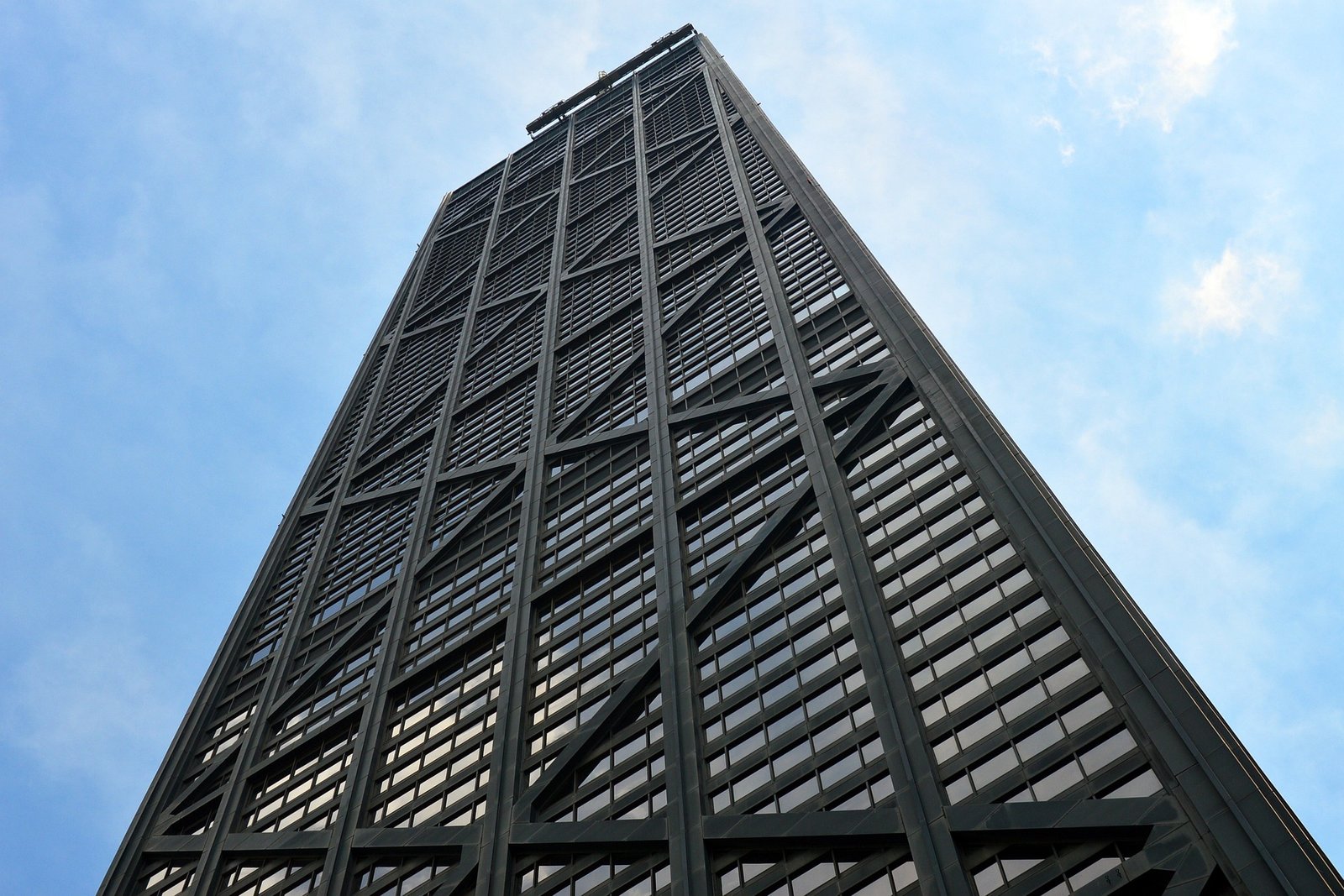
- Location: Chicago, Illinois
- Architect: Skidmore, Owings & Merrill (Bruce Graham, Fazlur Rahman Khan)
Year Completed: 1969
The John Hancock Center, with its distinctive X-braced exterior, is a landmark of structural expressionism in skyscraper design.
The building’s innovative use of exterior bracing not only provides structural support but also creates an iconic visual identity.
8. The Seattle Central Library
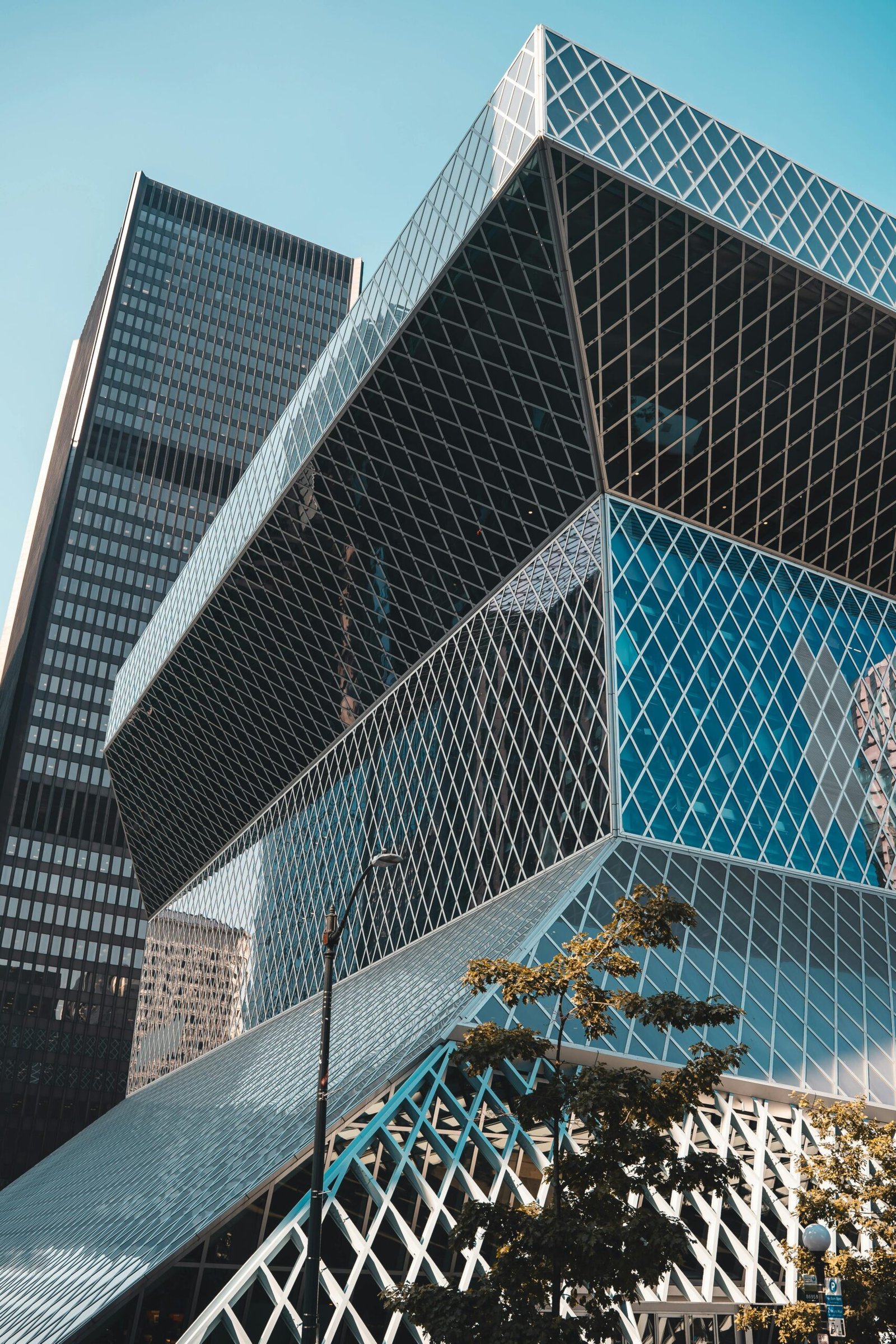
Location: Seattle, Washington
Architect: Rem Koolhaas (OMA) and Joshua Prince-Ramus
Year Completed: 2004
This library’s striking design, with its angular shapes and extensive use of glass, makes it a modern architectural icon, designed to foster community engagement.
The building redefines the concept of a library, emphasizing transparency, accessibility, and interaction with its urban context.
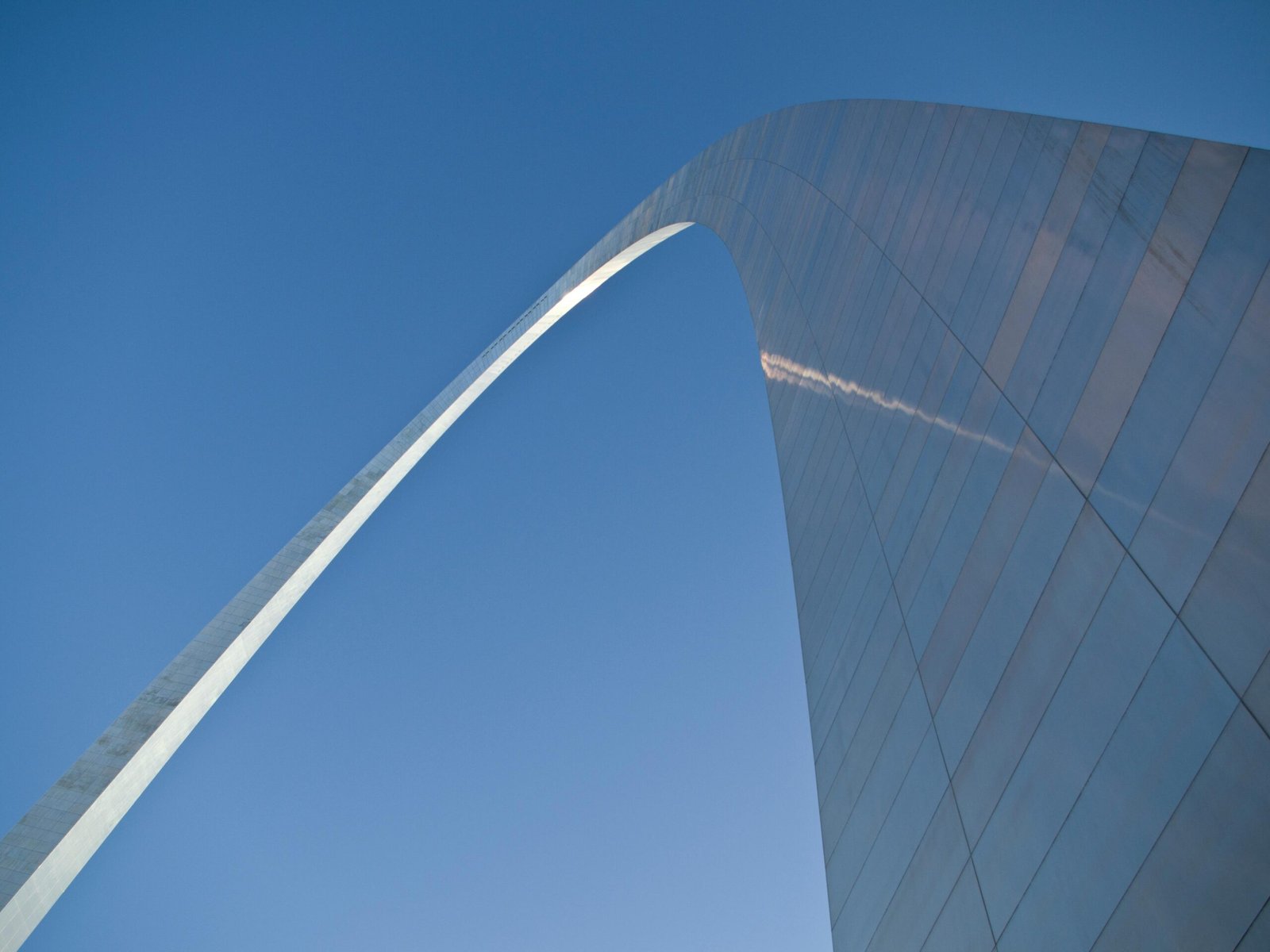
9. The Gateway Arch
Location: St. Louis, Missouri
Architect: Eero Saarinen
Year Completed: 1965
The Gateway Arch is a stainless steel-clad monument that symbolizes the westward expansion of the United States, with its simple, yet bold, curved form.
As an engineering marvel and an artistic statement, the Gateway Arch stands as one of the most recognized symbols of modern architecture in America.
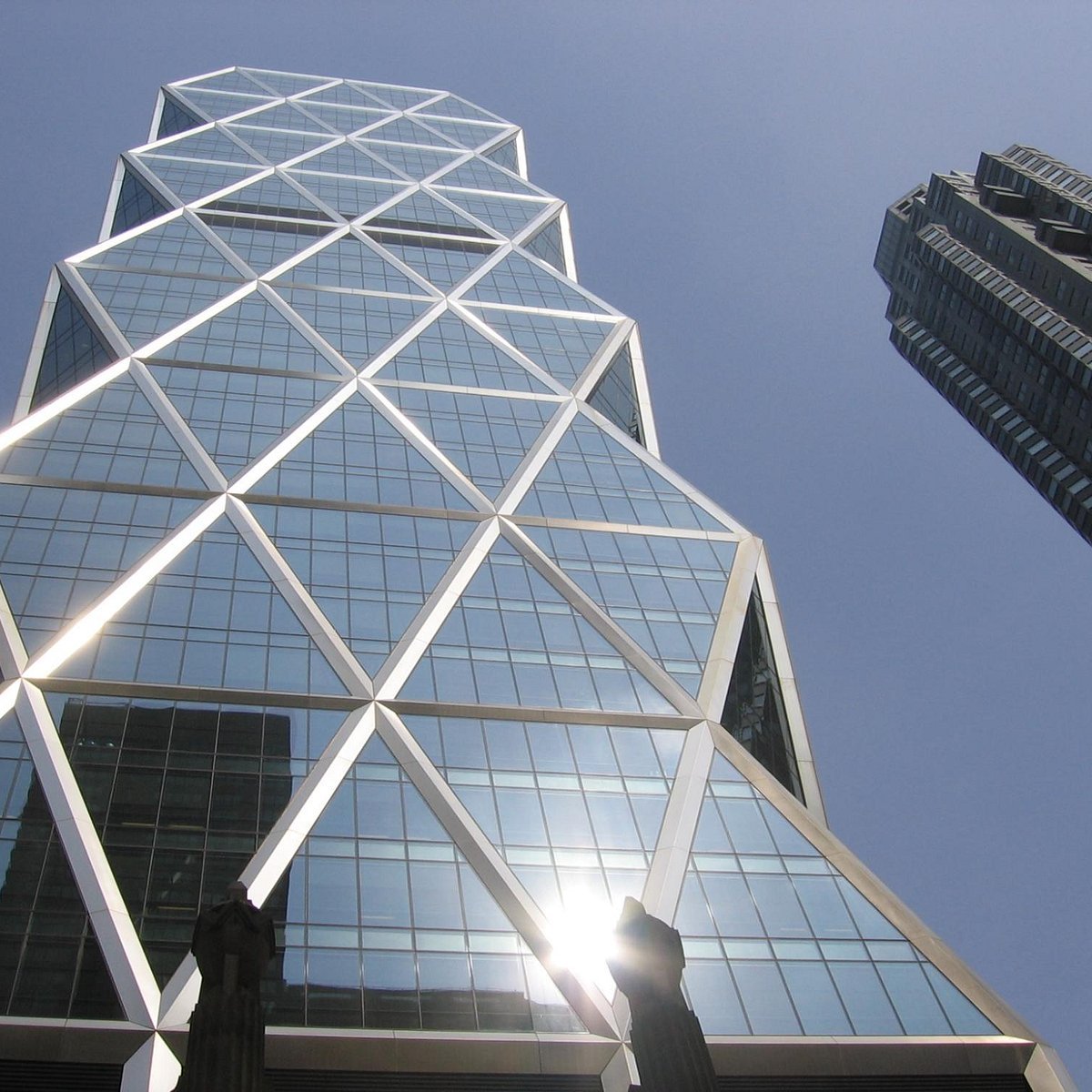
10. The Hearst Tower
Location: New York, New York
Architect: Norman Foster
Year Completed: 2006
Rising from the historic base of the Hearst Corporation’s headquarters, this glass and steel tower features a diagrid structure, which reduces the need for steel and gives the building a distinctive appearance.
The Hearst Tower is an excellent example of sustainable design, merging modern architecture with a historic landmark.
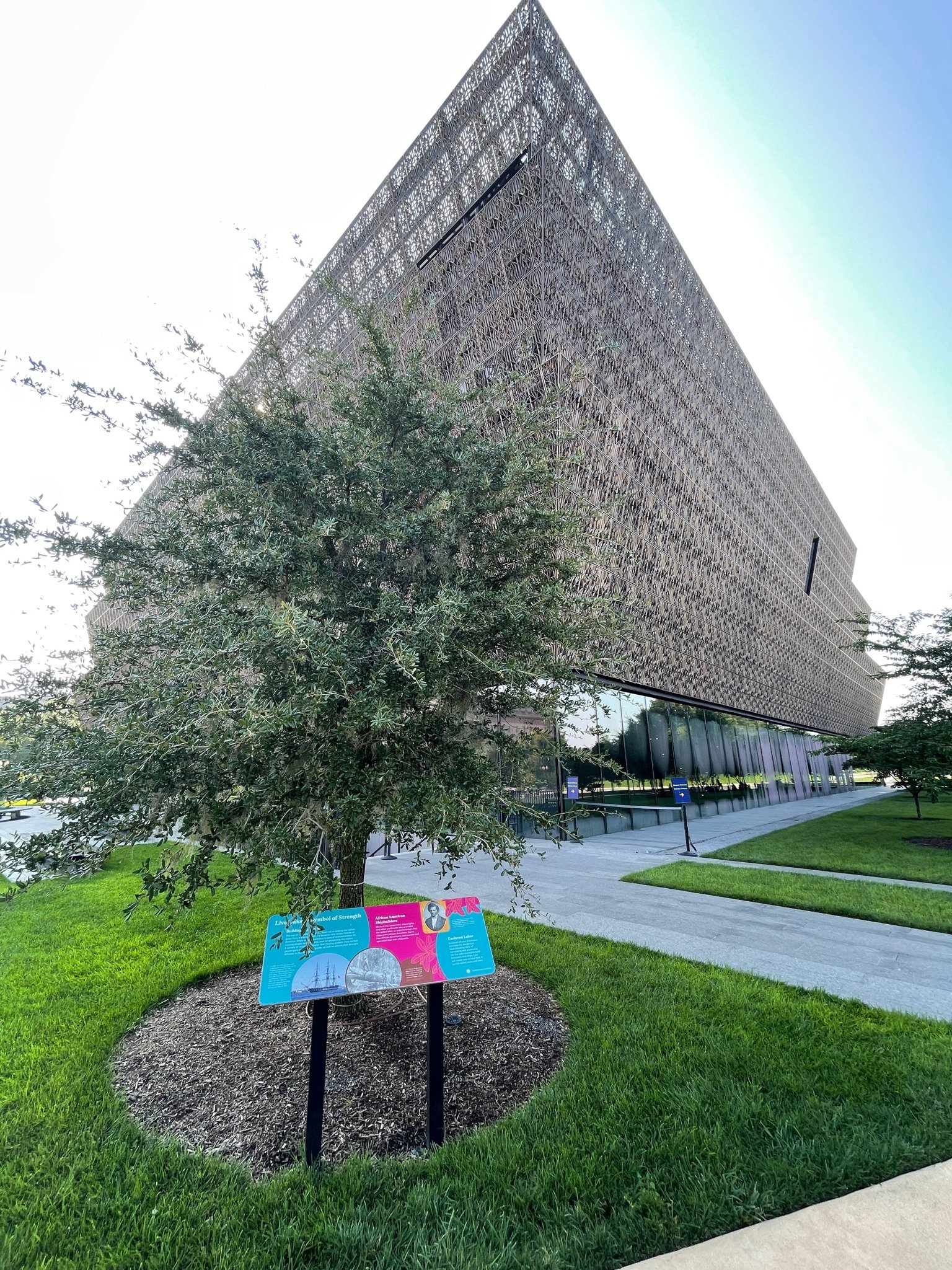
11. The National Museum of African American History and Culture
Location: Washington, D.C.
Architect: David Adjaye (Adjaye Associates)
Year Completed: 2016
The museum’s design features a corona shape inspired by the three-tiered crowns used in Yoruban art, wrapped in a bronze-colored, filigree-patterned façade.
This museum is not only a landmark of modern architecture but also a profound cultural statement, with its design reflecting African American heritage.
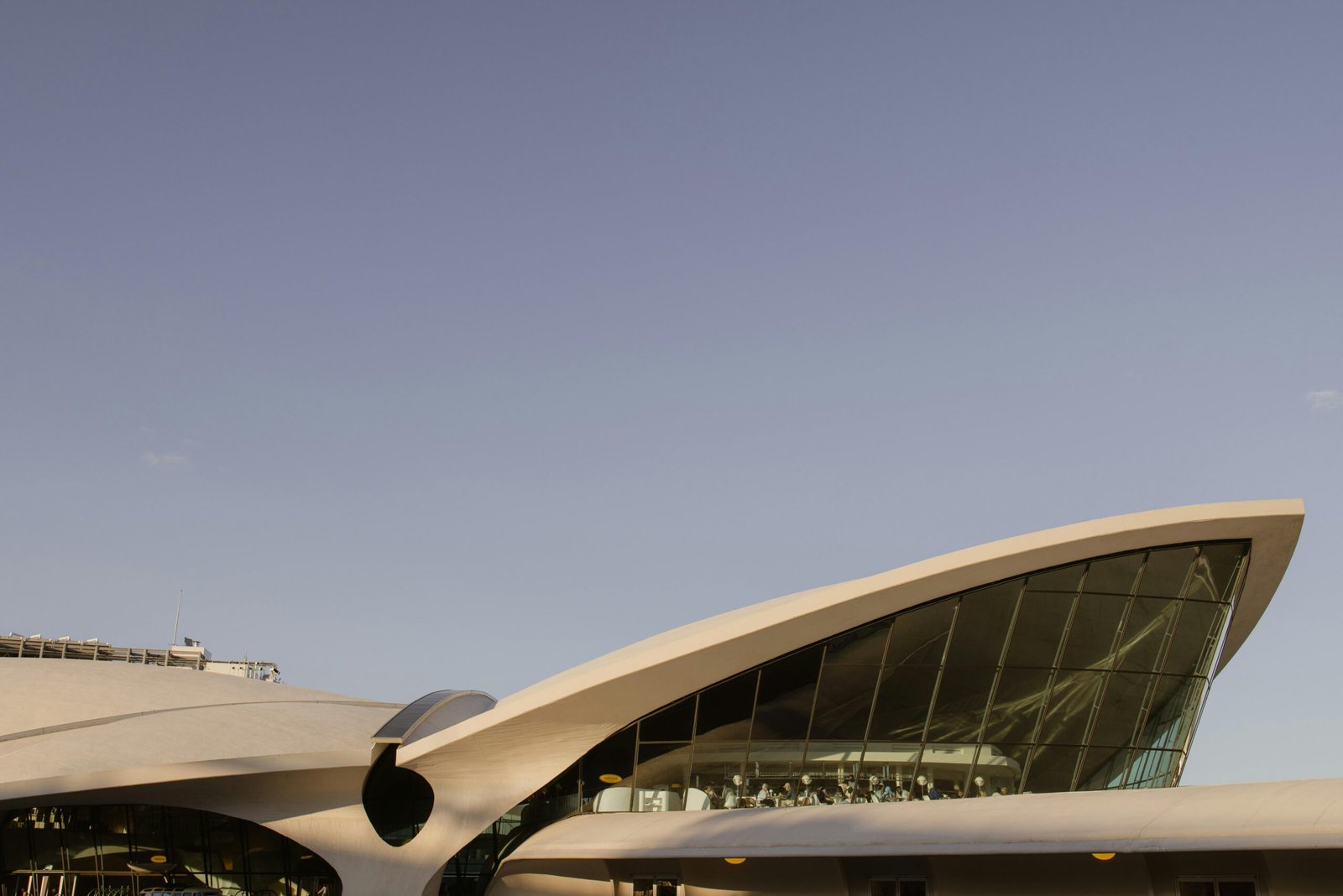
12. The TWA Flight Center (now TWA Hotel)
Location: New York, New York
Architect: Eero Saarinen
Year Completed: 1962
Originally designed as an airport terminal, the TWA Flight Center’s swooping concrete shell and expansive glass windows capture the spirit of the Jet Age.
The building’s futuristic design was groundbreaking for its time and remains an iconic symbol of mid-century modernism.
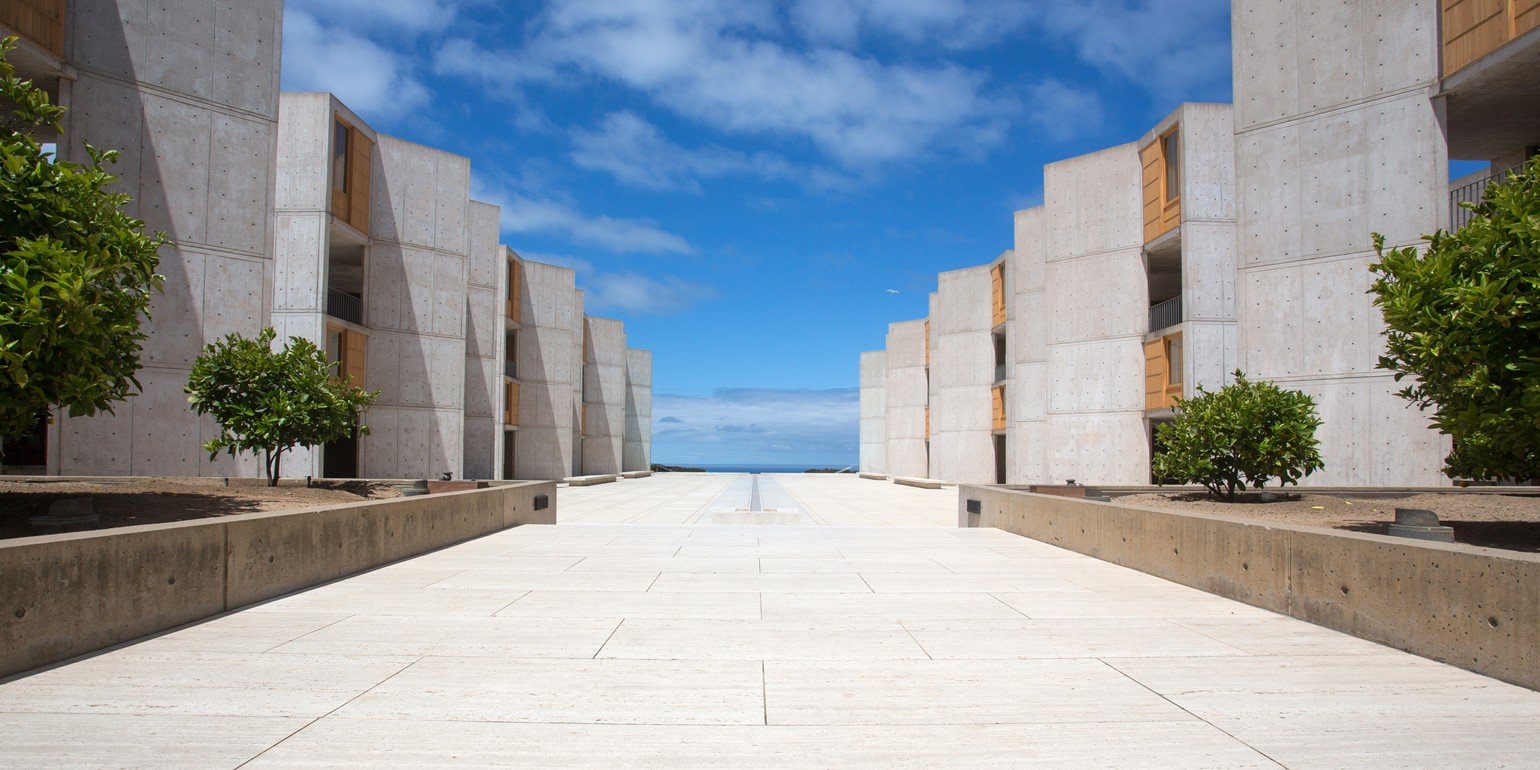
13. The Salk Institute for Biological Studies
Location: La Jolla, California
Architect: Louis Kahn
Year Completed: 1965
The Salk Institute is renowned for its minimalist concrete structures that frame the ocean, combining functional lab spaces with tranquil, contemplative environments.
The institute is a masterpiece of modernist architecture, praised for its poetic simplicity and its integration with the natural landscape.
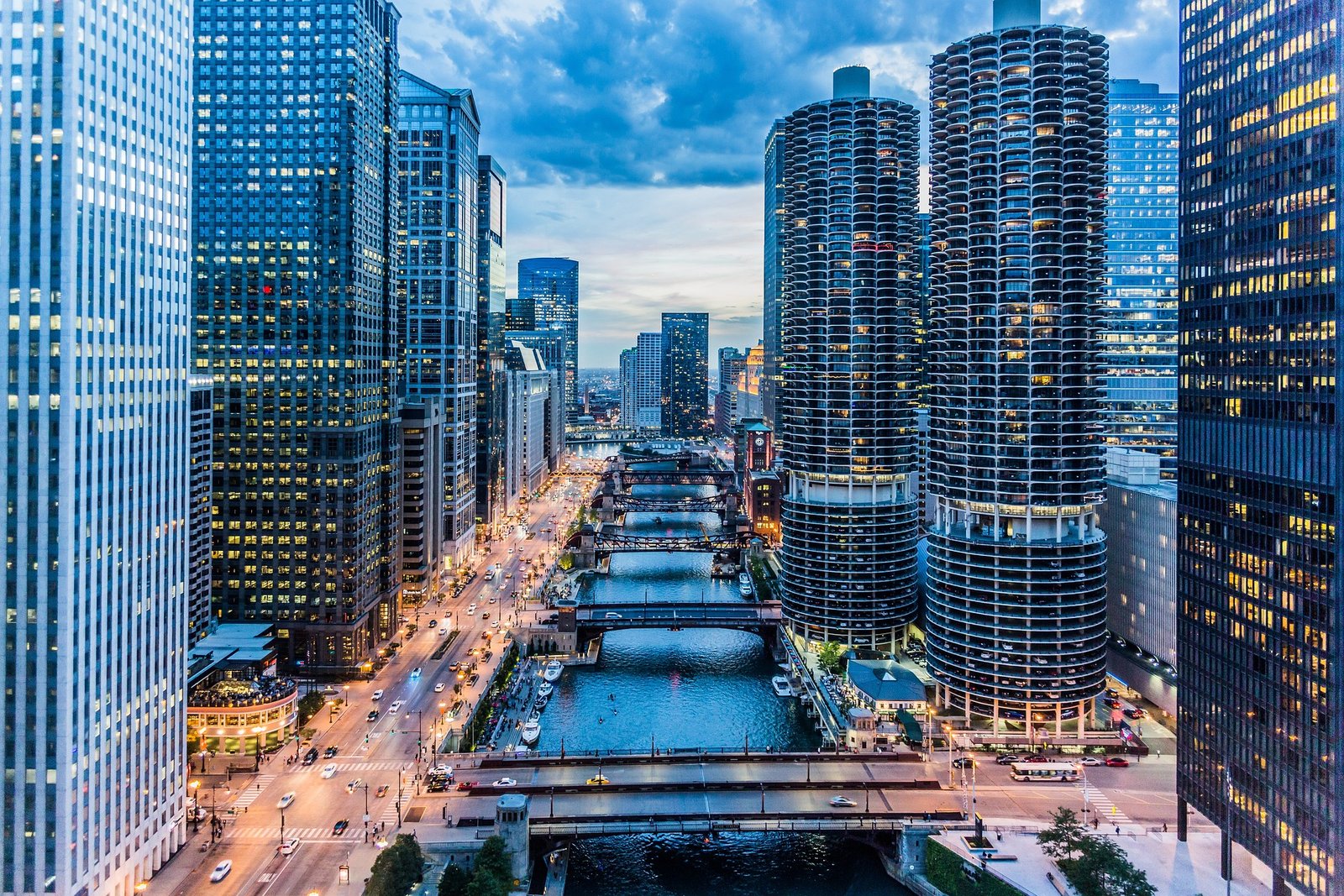
14. The Marina City Complex
Location: Chicago, Illinois
Architect: Bertrand Goldberg
Year Completed: 1964
Comprising two corncob-shaped towers, Marina City was designed as a city within a city, integrating residential, commercial, and parking spaces into one structure.
This complex represents an innovative approach to urban living and remains an iconic part of Chicago’s skyline.
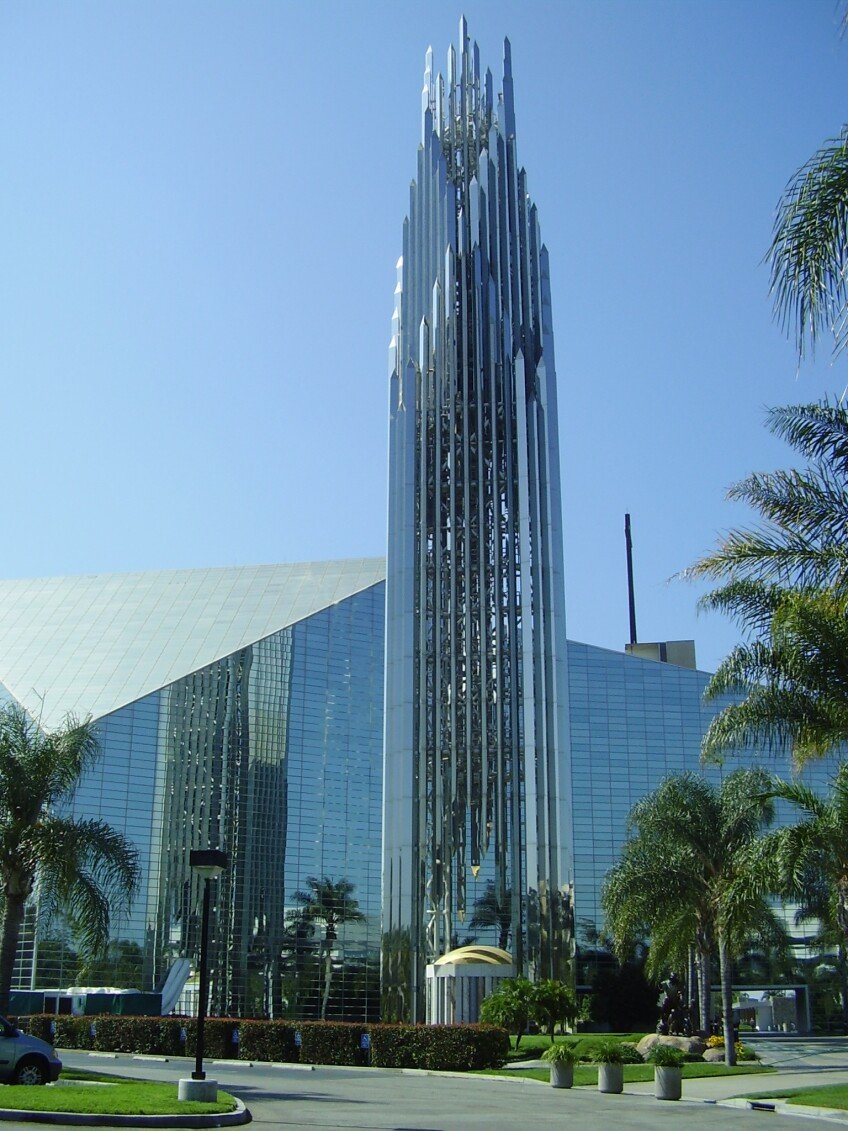
15. The Crystal Cathedral (now Christ Cathedral)
Location: Garden Grove, California
Architect: Philip Johnson
Year Completed: 1981
This expansive glass structure, composed of over 10,000 glass panels, serves as a church and is known for its striking modernist design.
The Crystal Cathedral is a pioneering example of modern ecclesiastical architecture, blending spiritual and architectural grandeur.
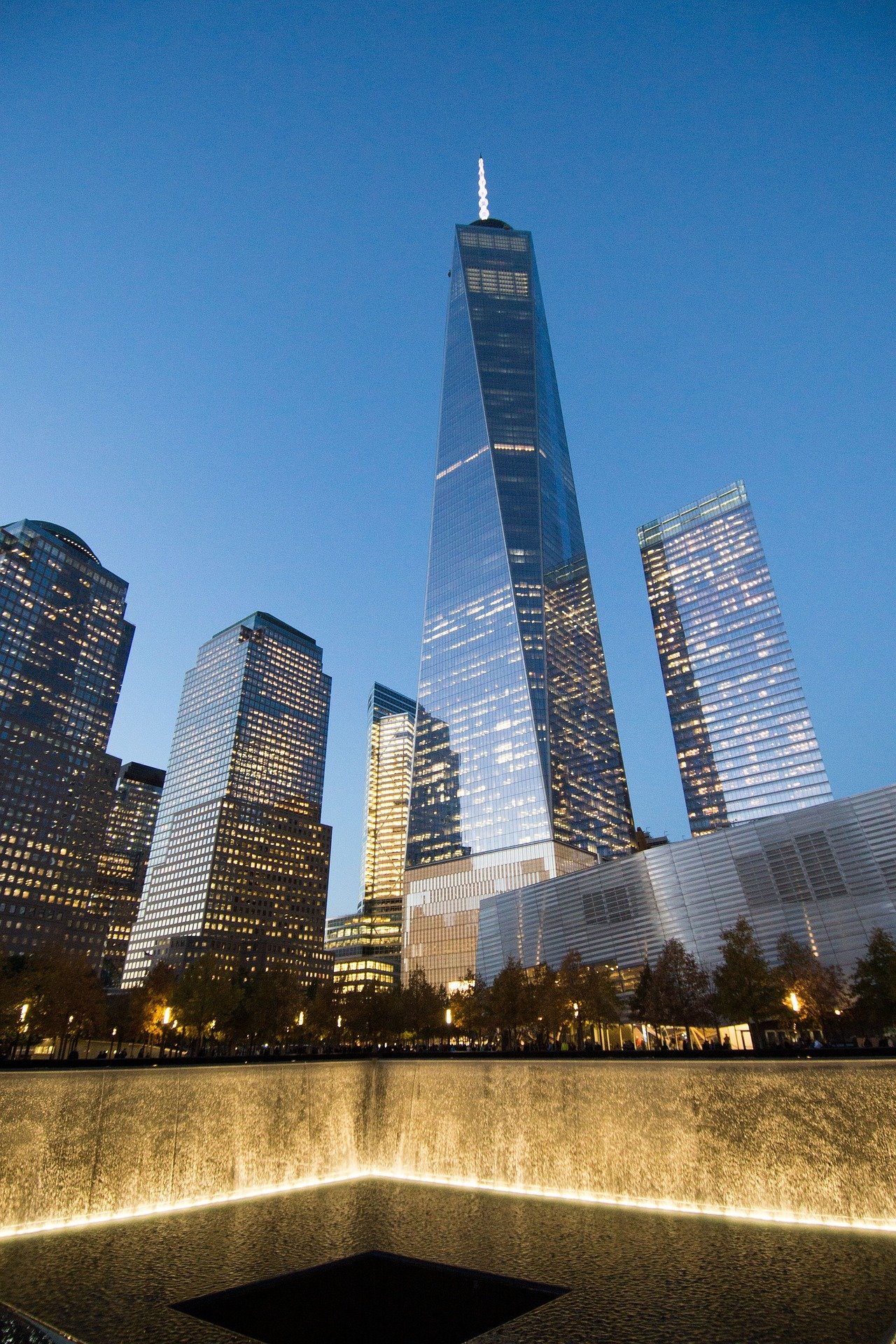
16. One World Trade Center
Location: New York, New York
Architect: David Childs (Skidmore, Owings & Merrill)
Year Completed: 2014
Standing at 1,776 feet, One World Trade Center is not only the tallest building in the Western Hemisphere but also a symbol of resilience and renewal.
The tower’s design integrates sustainability, security, and symbolic significance, making it a modern marvel and a beacon of hope.
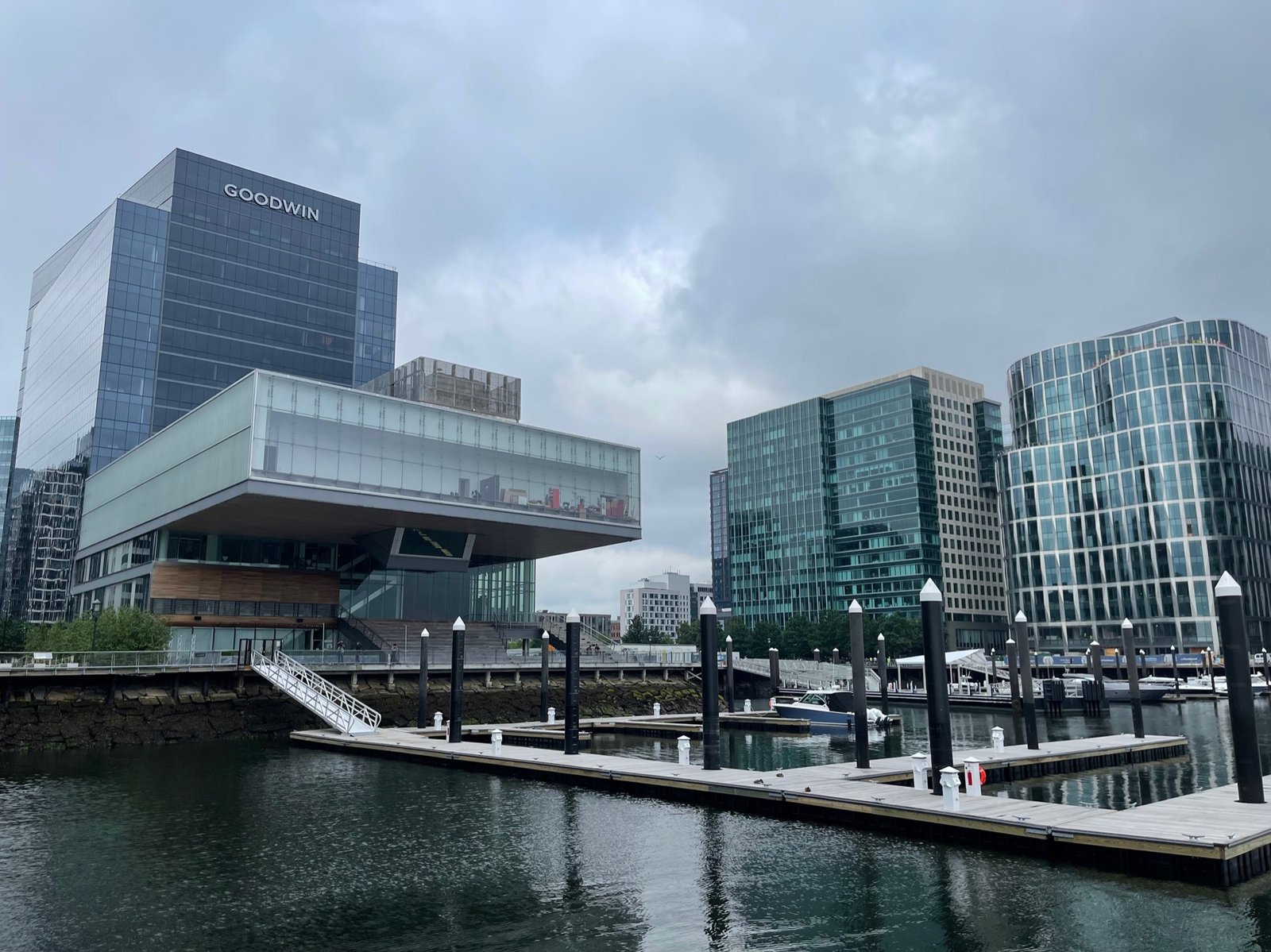
17. The Institute of Contemporary Art
Location: Boston, Massachusetts
Architect: Diller Scofidio + Renfro
Year Completed: 2006
This museum, perched on the edge of Boston Harbor, features a dramatic cantilevered glass structure that offers sweeping views of the waterfront.
The ICA’s design challenges conventional museum architecture, creating a dynamic interplay between indoor and outdoor spaces.
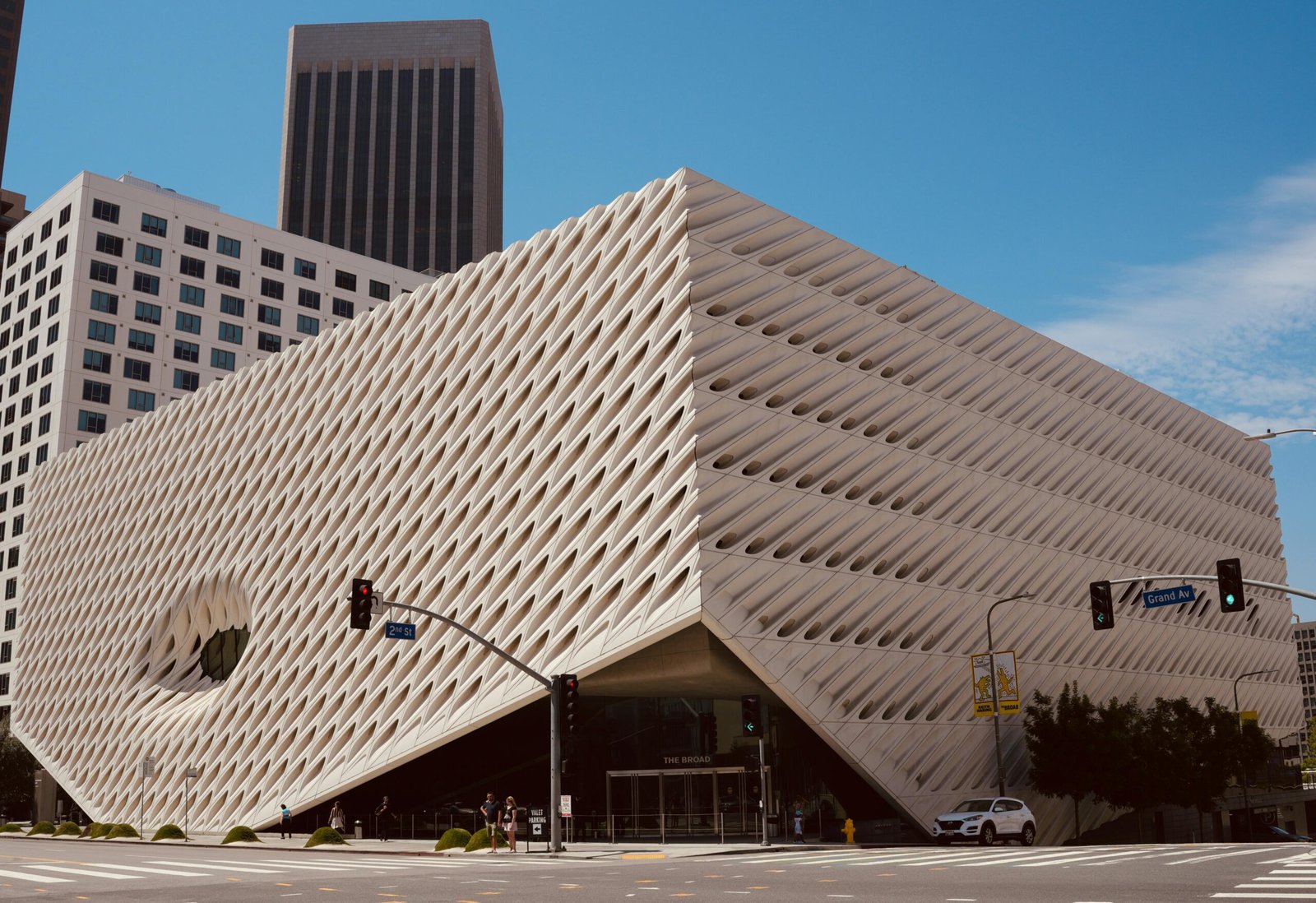
18. The Broad Museum
Location: Los Angeles, California
Architect: Diller Scofidio + Renfro
Year Completed: 2015
The Broad Museum is known for its honeycomb-like exterior, which allows natural light to filter into the gallery spaces, creating a bright and airy environment.
The museum’s innovative design not only enhances the art-viewing experience but also stands as a striking addition to Los Angeles’s architectural landscape.
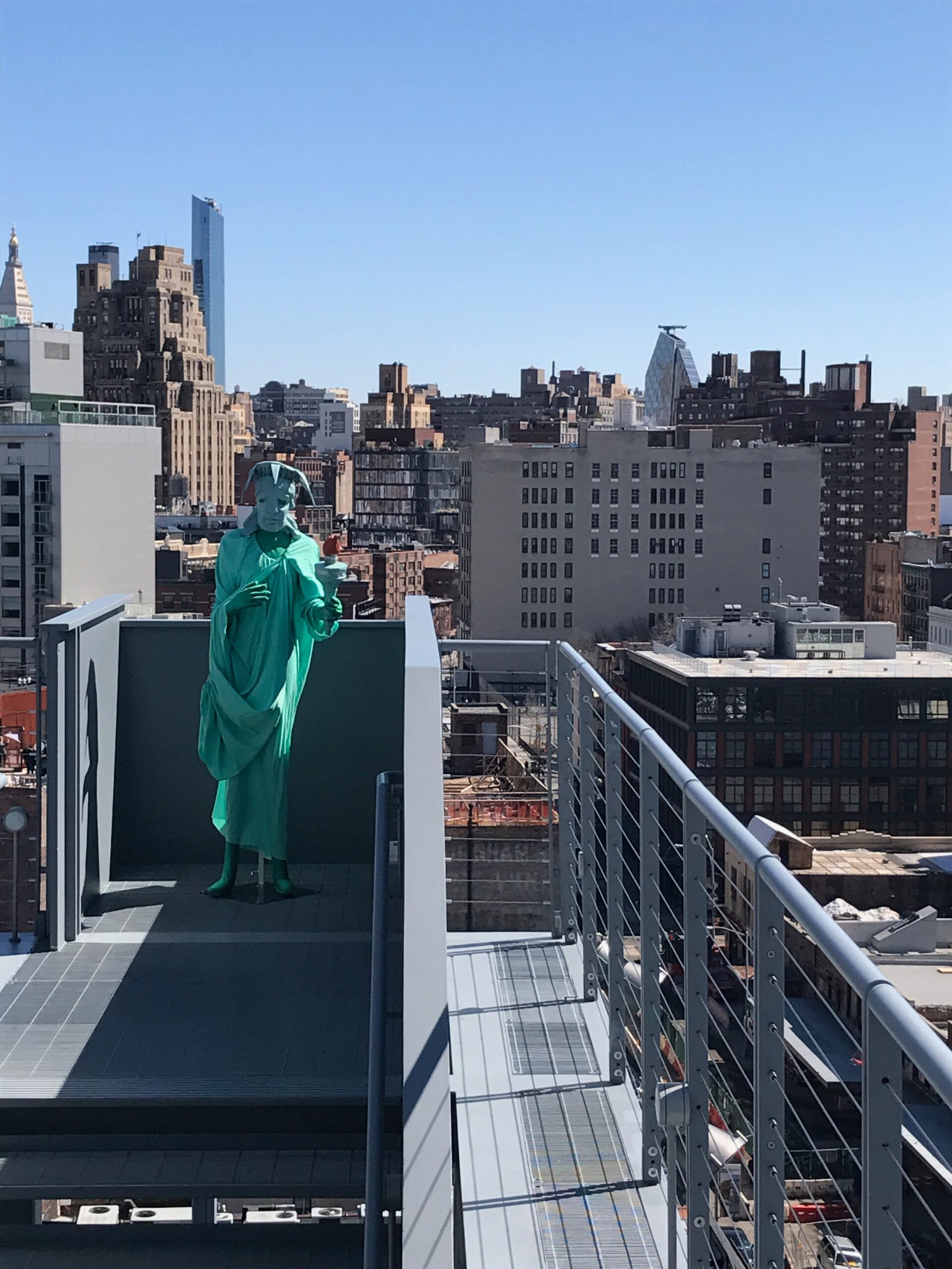
19. The High Line
Location: New York, New York
Architect: James Corner Field Operations, Diller Scofidio + Renfro, Piet Oudolf
Year Completed: 2009
The High Line is an elevated linear park built on a former railway line, featuring lush landscaping, public art installations, and unique urban views.
The High Line is a transformative piece of urban design that reimagines public space, blending architecture, nature, and community engagement.
20. The Perot Museum of Nature and Science
Location: Dallas, Texas
Architect: Thom Mayne (Morphosis)
Year Completed: 2012
The Perot Museum is a bold, geometric structure characterized by its distinctive cube shape and energy-efficient design.
The museum’s cutting-edge architecture, combined with its focus on sustainability, makes it a landmark of modern design and an educational hub for science and nature.