Constantine the Great: The Visionary Founder
Emperor Constantine I, known as Constantine the Great, is perhaps the most significant figure in the early history of Istanbul. In 330 CE, he chose Byzantium as the new capital of the Roman Empire, renaming it Constantinople. This decision was not just about geography; it was a statement of intent. Constantine envisioned a city that would serve as a beacon of Christianity and a center of power, strategically positioned at the crossroads of Europe and Asia. His legacy includes:
Hagia Sophia (Initial Construction): While the current structure is credited to Emperor Justinian, the original Hagia Sophia was commissioned by Constantine, symbolizing the city’s future as a center of Christian worship and architectural innovation.
Strategic Planning: Constantine’s urban plan for Constantinople mirrored Rome, complete with seven hills and grand public spaces, laying the groundwork for the city’s enduring influence as a cultural and political hub.
Justinian I: The Architect of Glory
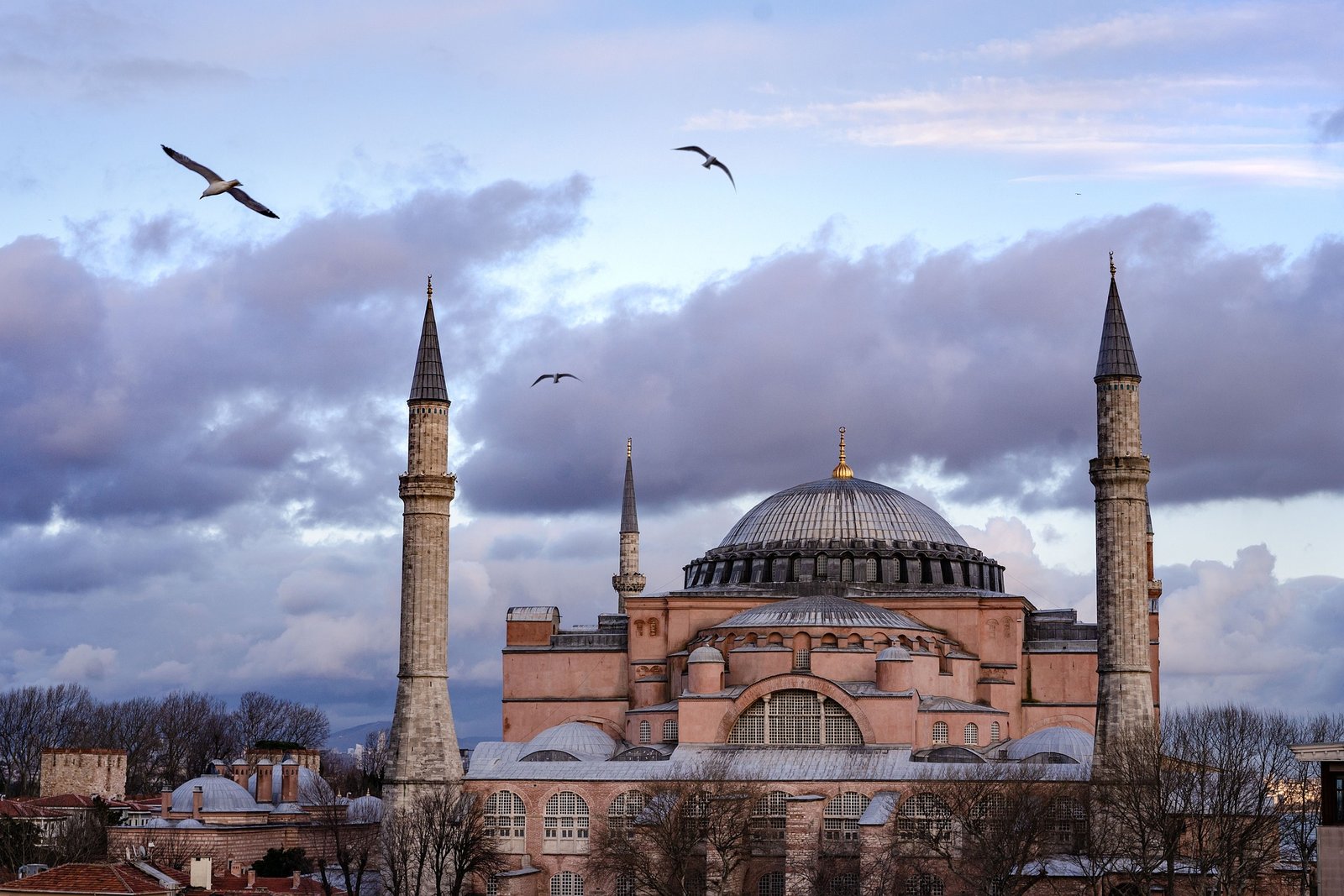
Emperor Justinian I, who ruled from 527 to 565 CE, is often regarded as one of the greatest Byzantine emperors. His reign marked the golden age of Byzantine architecture, most notably through the construction of the Hagia Sophia. This architectural masterpiece, designed by the renowned architects Anthemius of Tralles and Isidore of Miletus, became the epitome of Byzantine architectural achievement and a symbol of the empire’s might and spirituality.
His enduring legacy encompasses: Public Works: Justinian’s influence extended beyond the Hagia Sophia. He commissioned the construction of aqueducts, fortifications, and churches across the empire, reinforcing Constantinople’s status as a well-fortified and resource-rich city. Hagia Sophia (Current Structure): Rebuilt after the devastating Nika riots of 532 CE, the Hagia Sophia’s massive dome, which seems to float on a halo of light, continues to inspire awe, representing both the divine and the emperor’s vision of an eternal empire.
Sultan Mehmed II: The Conqueror and Rebuilder
The fall of Constantinople in 1453 marked the end of the Byzantine Empire and the beginning of a new era under the Ottoman Empire. Sultan Mehmed II, known as Mehmed the Conqueror, was the architect of this transformation. His conquest of the city was both a military triumph and a cultural revolution. Mehmed envisioned Istanbul as the capital of a vast Islamic empire and initiated extensive building projects that would shape the city’s identity for centuries. He leaves behind a legacy that includes:
Hagia Sophia: Mehmed’s conversion of the Hagia Sophia from a cathedral to a mosque marked a significant shift in the city’s religious landscape, establishing it as one of the most important Islamic sites in the world.
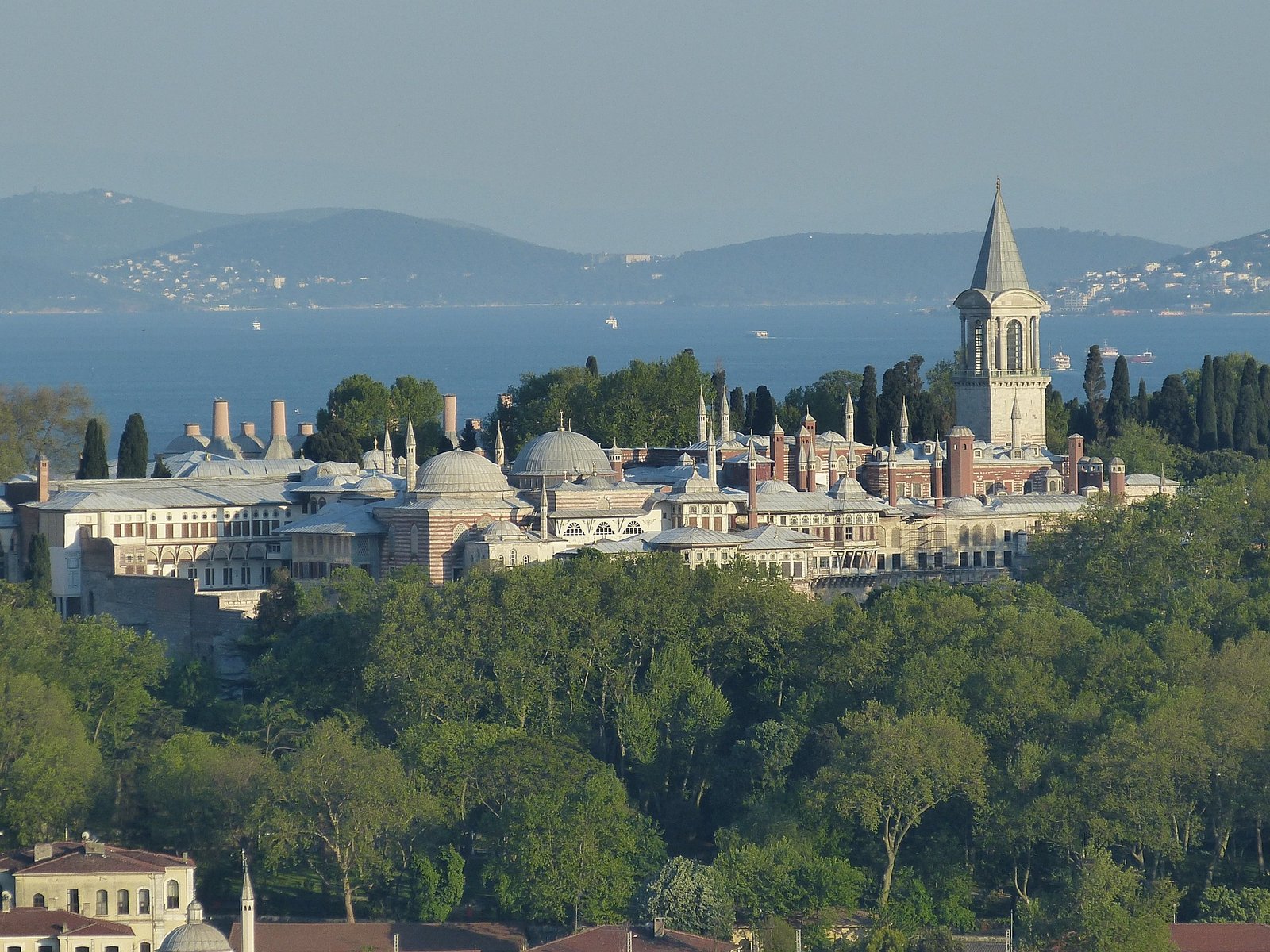
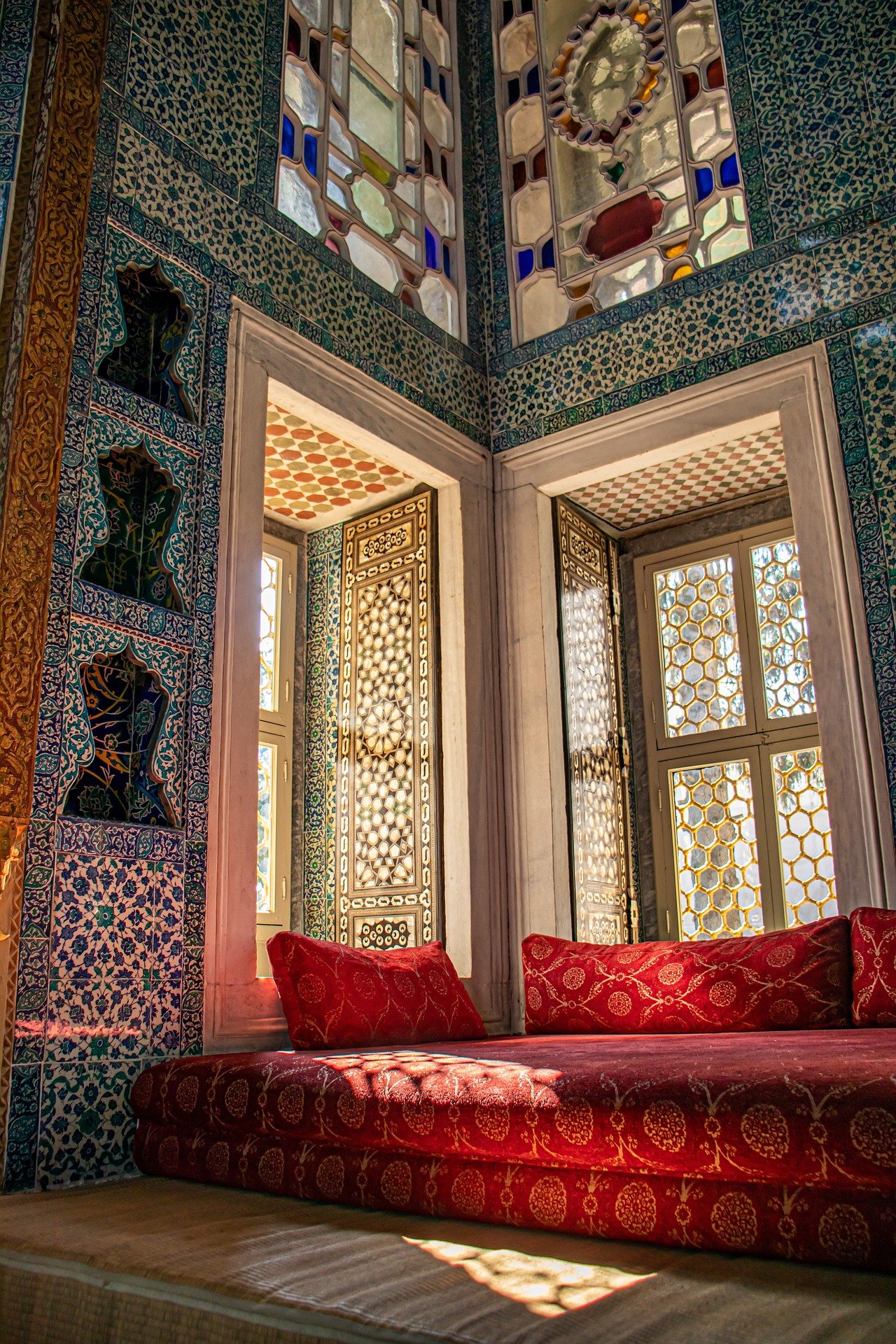
Topkapi Palace: Mehmed II’s construction of the Topkapi Palace, with its intricate courtyards, grand chambers, and breathtaking views of the Bosphorus, was a statement of the city’s new status as the heart of the Ottoman Empire.
Mimar Sinan: The Master Architect
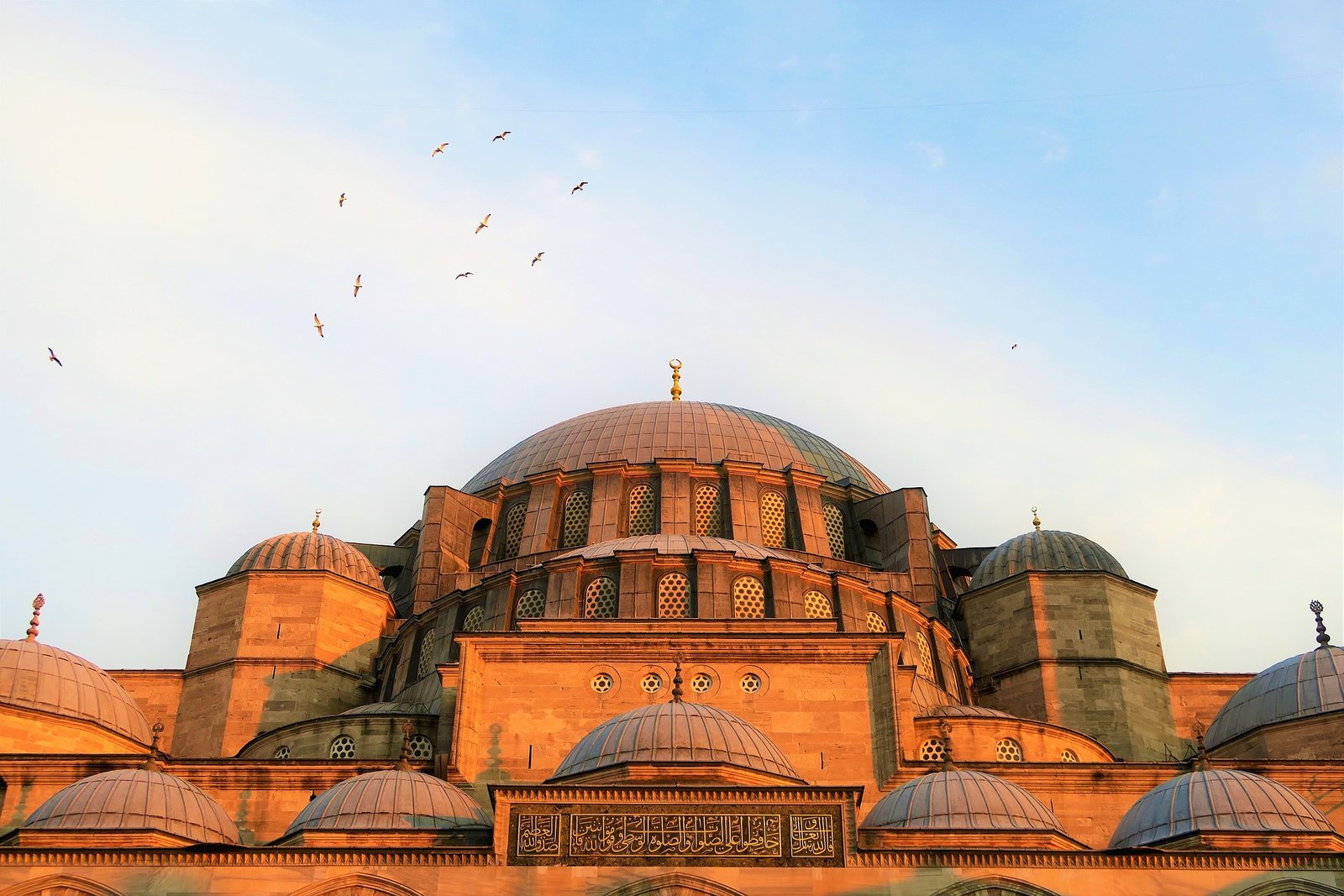
Often referred to as the “Michelangelo of the East,” Mimar Sinan was the chief architect during the reign of three Ottoman sultans: Suleiman the Magnificent, Selim II, and Murad III. Sinan’s genius lay in his ability to blend form and function, creating structures that were not only visually stunning but also ingeniously designed. His work set the standard for Ottoman architecture and left a legacy that continues to influence architects around the world.
His lasting impact can be seen in:
- Süleymaniye Mosque: Commissioned by Sultan Suleiman the Magnificent, the Süleymaniye Mosque is a perfect example of Sinan’s architectural philosophy—combining grandeur with harmony. The mosque complex, which includes schools, a hospital, and a library, reflects the holistic approach to urban planning during the Ottoman era.
- Sehzade Mosque: Built in memory of Sultan Suleiman’s son, Şehzade Mehmed, this mosque is often considered Sinan’s apprenticeship work, showcasing his mastery of space and light. The mosque’s elegant design has inspired countless others, cementing Sinan’s reputation as one of the greatest architects in history.
Sultan Suleiman the Magnificent: Patron of the Arts
Sultan Suleiman the Magnificent’s reign (1520-1566) was a period of cultural and artistic flourishing. Under his patronage, Istanbul became a hub of creativity, attracting poets, calligraphers, musicians, and architects from across the empire. Suleiman’s support for the arts was not just about aesthetics; it was a means of asserting the empire’s power and sophistication on the global stage.
His legacy is marked by the Cultural Renaissance: Suleiman’s era saw the production of exquisite ceramics, textiles, and illuminated manuscripts, many of which are now considered masterpieces of Ottoman art, and Architectural Grandeur as The Süleymaniye Mosque, designed by Mimar Sinan, is perhaps the most iconic building from Suleiman’s reign, symbolizing the zenith of Ottoman architectural achievement.
Abdülmecid I: The Modernizer
The 19th century brought new challenges to the Ottoman Empire, and Sultan Abdülmecid I responded with the Tanzimat reforms, aimed at modernizing the empire’s institutions and infrastructure. Istanbul, as the empire’s capital, became the focus of these reforms, undergoing significant changes that reflected the sultan’s desire to align the city with European standards of modernity. His contributions live on in the Dolmabahçe Palace: A striking departure from traditional Ottoman architecture, Dolmabahçe Palace was built in the European style, with Baroque, Rococo, and Neoclassical influences. The palace’s opulent interiors, including the world’s largest Bohemian crystal chandelier, exemplify the sultan’s vision of a modern, sophisticated empire.
Abdülmecid’s reign also saw the introduction of modern infrastructure, including bridges, roads, and the expansion of the city’s waterfront areas, paving the way for Istanbul’s transformation into a modern metropolis.
Contemporary Influencers: Shaping Modern Istanbul
As Istanbul continues to evolve, contemporary architects and urban planners are leaving their mark on the city, blending modern aesthetics with its rich historical context. Figures like Emre Arolat and Zaha Hadid have contributed to the city’s skyline, ensuring that Istanbul remains a vibrant, dynamic metropolis.
- Emre Arolat: Known for his innovative designs that respect Istanbul’s historical fabric while introducing contemporary elements, Arolat’s work, such as the Sancaklar Mosque, reflects a modernist approach to traditional Islamic architecture, creating spaces that are both functional and spiritually resonant.
- Zaha Hadid: The late Iraqi-British architect’s design for the Kartal-Pendik Masterplan aims to create a new urban center on the Asian side of Istanbul, integrating residential, commercial, and cultural spaces in a futuristic design that pushes the boundaries of architecture.
The Unseen Hands: Craftsmen and Artisans
While emperors, sultans, and architects often receive the spotlight, the countless craftsmen and artisans who brought their visions to life are equally important. These skilled individuals, often working anonymously, created the intricate tile work, detailed calligraphy, and masterful stone carving that adorn Istanbul’s mosques, palaces, and public buildings. Their artistry is an integral part of the city’s identity, visible in every corner, from the grandeur of the Blue Mosque to the hidden gems of lesser-known historic sites.
Istanbul’s Future: A City in Transformation
As Istanbul moves into the future, it continues to evolve, balancing preservation with progress. The city’s skyline is constantly changing, with new architectural projects like the Istanbul New Airport and the Galataport reshaping its landscape. At the same time, efforts to restore and maintain its historic sites ensure that the legacy of those who built Istanbul will endure.
Istanbul’s story is far from over. It is a city that has been, and continues to be, shaped by visionaries and innovators, each leaving their mark on this dynamic and ever-changing metropolis. As the city expands and modernizes, it remains deeply rooted in the rich legacy of those who built it, offering a unique blend of past and present to all who visit. Whether walking through its ancient streets or marveling at its modern architecture, one can feel the weight of history and the promise of the future, coexisting in this extraordinary city.