Discover Buenos Aires Through Its Barrios, Cuisine, and Traditions
Introduction
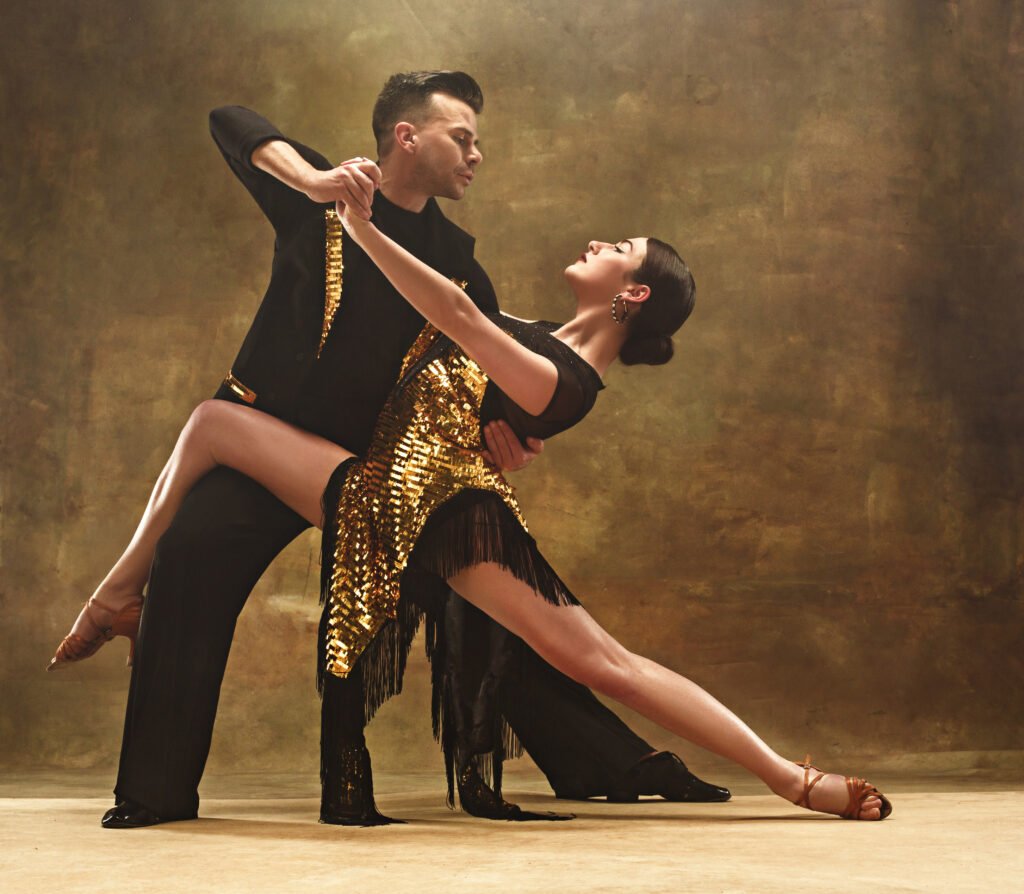
Buenos Aires, the vibrant capital of Argentina, is often referred to as the “Paris of Latin America” due to its rich cultural heritage, stunning architecture, and lively atmosphere. The city is a melting pot of influences from Europe and Latin America, making it a unique destination for travelers seeking a blend of history, art, and gastronomy.
The city’s charm lies in its diverse neighborhoods, or barrios, each offering a distinct character and appeal. From the colorful streets of La Boca and the sophisticated elegance of Recoleta to the bohemian vibes of San Telmo and the buzzing nightlife in Palermo, Buenos Aires caters to every traveler’s taste. Iconic landmarks like the historic Teatro Colón, the bustling Plaza de Mayo, and the serene parks of Palermo make it a city of contrasts and surprises. The tango, Argentina’s quintessential dance, which originated in its streets showcases a deeply rooted cultural tradition.
Buenos Aires is famous for its beef and offers a diverse culinary landscape that includes traditional parrillas (steakhouses), trendy cafes, and international cuisine.
This destination is worth visiting not only for its artistic and historical significance but also for its vibrant nightlife and café culture, where visitors can immerse themselves in local life while enjoying delicious food and wine.
Recoleta
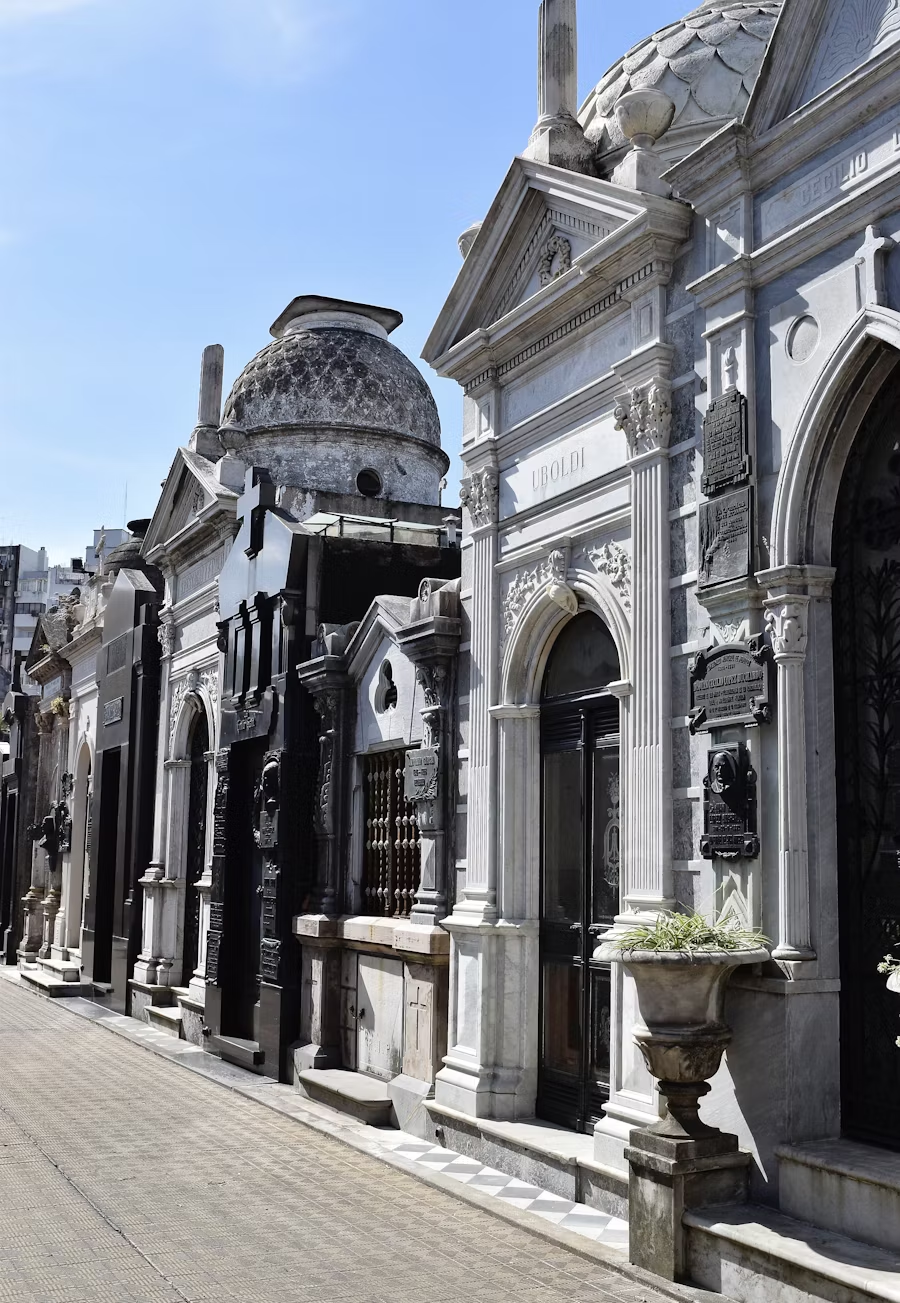
Recoleta is an upscale neighborhood known for its elegant architecture, high-end shopping, and cultural attractions. It exudes a European charm with its tree-lined streets and French-style buildings.
The neighborhood offers a perfect blend of historical charm, cultural richness, and modern sophistication, making it a must-explore destination for visitors to Buenos Aires.
Located in the northern part of Buenos Aires, visitors to Recoleta can explore a variety of cultural landmarks, such as:
- Recoleta Cemetery: A stunning necropolis with ornate mausoleums, including Eva Perón’s grave.
- Basilica Nuestra Señora del Pilar: A serene 18th-century church with stunning Baroque architecture, adjacent to the cemetery.
- National Museum of Fine Arts: Houses an impressive collection of Argentine and European art.
- National Library of Buenos Aires: Designed by renowned architect Clorindo Testa, this brutalist structure is an iconic cultural hub.
- Centro Cultural Recoleta: Originally a convent, this historic building now hosts contemporary art exhibitions and performances.
- Floralis Genérica: A giant metallic flower sculpture that opens and closes with the sun.
- Palacio Duhau: A luxurious palace converted into hotel, blending Belle Époque grandeur with modern sophistication.
Palermo
Palermo is Buenos Aires’ largest neighborhood, known for its parks, trendy shops, and vibrant nightlife. It’s divided into sub-districts like Palermo Soho and Palermo Hollywood, each with its own atmosphere. Palermo is a sprawling district divided into several sub-neighborhoods, each with its own unique character:
- Palermo Soho: The trendiest area, known for its boutique shops, street art, and bustling nightlife.
- Palermo Hollywood: Home to TV and film production companies, as well as numerous restaurants and bars.
- Palermo Chico: An upscale residential area with elegant mansions and embassies.
- Palermo Viejo: The older part of the neighborhood with a more traditional feel.
Key attractions and must see in Palermo include:
- MALBA (Latin American Art Museum of Buenos Aires): While modern in design, it houses significant works from Latin America’s cultural history.
- Botanical Gardens: A peaceful oasis with thousands of plant species.
- Palacio Bosch: Home to the U.S. Ambassador’s residence, this French-style mansion is a symbol of Palermo’s opulent history.
- Embassy Row: The area features elegant embassies and historic mansions that reflect the barrio’s aristocratic past.
- Museo Evita: A charming historic mansion dedicated to Eva Perón’s life and legacy.
- Parque Tres de Febrero: A vast urban park perfect for picnics and leisurely strolls.
- Plaza Serrano: The heart of Palermo Soho, surrounded by boutiques and cafes.
- Galileo Galilei Planetarium: An architectural icon offering astronomical shows and exhibits.
Palermo is also renowned for its gastronomic scene, with countless restaurants, cafes, and bars catering to all tastes and budgets. The neighborhood’s street art, particularly in Palermo Soho, adds to its artistic and bohemian atmosphere.Whether you’re interested in culture, nightlife, shopping, or simply enjoying green spaces, Palermo offers a diverse range of experiences that capture the essence of modern Buenos Aires.
La Boca
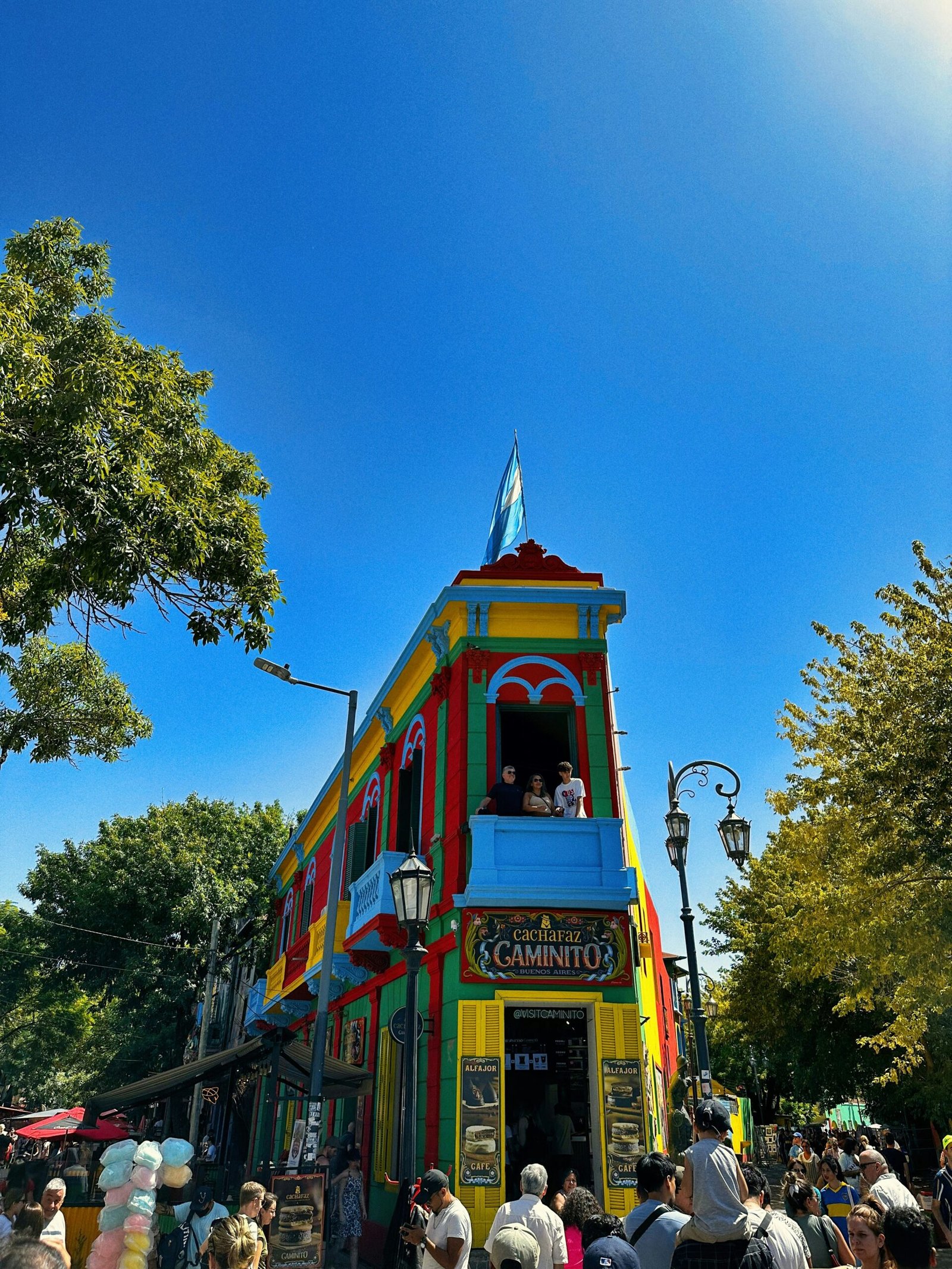
La Boca, colorful and charismatic, steeped in immigrant history, offers a vibrant mix of cultural landmarks and historic buildings.
La Boca, meaning “the mouth” in Spanish, is named for its location at the mouth of the Riachuelo tributary. Originally a port area, it attracted many immigrants, particularly from Genoa, Italy, who settled here in search of work. The neighborhood’s iconic colorful houses were painted with leftover paint from the port, creating its distinctive and charming appearance.
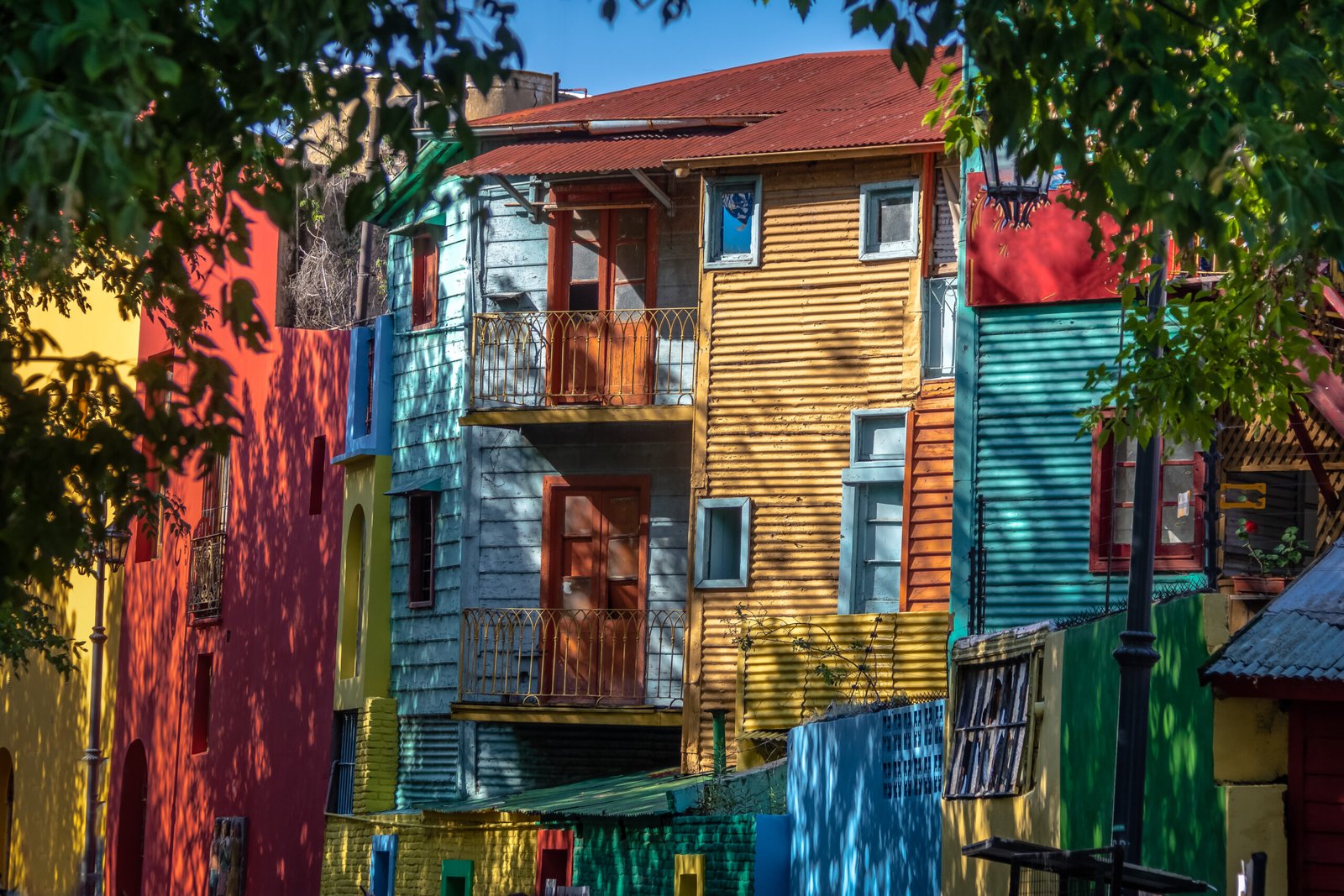
Some key attractions in La Boca are:
- Caminito: A colorful open-air museum with restored conventillos (tenement houses) that reflect La Boca’s immigrant heritage.
- La Bombonera: Not just a stadium, but a cultural symbol of Argentina’s passion for football.
- Proa Foundation: This modern art museum occupies a beautifully restored historic building near the waterfront.
- Pedro de Mendoza’s House (Museo Histórico Nacional del Cabildo y la Revolución de Mayo): Located in the vicinity, this museum delves into Argentina’s early history.
- Puente Nicolás Avellaneda: A historic iron bridge connecting La Boca with Avellaneda, a symbol of Buenos Aires’ industrial era.
it’s important to note that while La Boca is safe to visit during the day, it’s advisable to stick to the main tourist areas and avoid the neighborhood after dark.
San Telmo
San Telmo is the oldest neighborhood in Buenos Aires, characterized by its cobblestone streets, colonial architecture, and a perfect blend of old-world charm and modern energy. Originally home to the city’s wealthiest residents, it later became a working-class immigrant neighborhood and has since evolved into a hub for artists, antique lovers, and tango enthusiasts.
Every Sunday, the heart of Buenos Aires beats a little louder as the San Telmo street market unfolds along Defensa Street, stretching from the historic Plaza Dorrego all the way to Plaza de Mayo. This vibrant open-air fair transforms the cobblestone street into a lively corridor of antiques, handmade crafts, vintage treasures, tango dancers, and street performers. Locals and travelers alike stroll beneath the shade of colonial buildings, soaking in the bohemian energy and discovering everything from mate gourds and leather goods to old vinyl records and timeless relics. It’s not just a market—it’s a cultural ritual where history, art, and everyday life come together in one unforgettable experience.
Top Landmarks and Attractions:
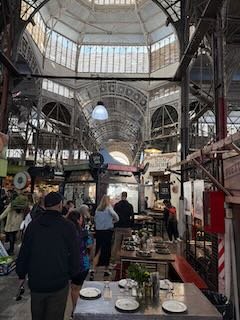
- San Telmo Market: Housed in a historic building with ironwork dating back to 1897, it’s a feast for antique and food lovers.
- El Zanjón de Granados: An underground tunnel system showcasing 18th-century Buenos Aires and colonial-era foundations.
- Iglesia de San Pedro Telmo: One of the city’s oldest churches, with stunning colonial architecture.
- Plaza Dorrego: A historic square surrounded by colonial-era buildings and a hub for tango and antiques.
- La Casa Mínima: The narrowest house in Buenos Aires, this building tells a story of the city’s Afro-Argentine community.
- Manzana de las Luces: A historic block featuring the Church of San Ignacio and other colonial buildings
- Pasaje de la Defensa: A beautifully restored 19th-century mansion housing antique shops and cafes.
- Cartoon Walk: A series of murals and statues depicting famous Argentine comic characters.
- The Mafalda bench in San Telmo is a beloved photo spot and tribute to one of Argentina’s most iconic cartoon characters. Located at the corner of Chile and Defensa streets, just steps from the historic San Telmo Market, the bench features a life-sized statue of Mafalda sitting with her signature thoughtful expression.
City Center: Where History Meets Power
Though not confined to a single barrio, the city center boasts some of Buenos Aires’ most iconic historic landmarks.
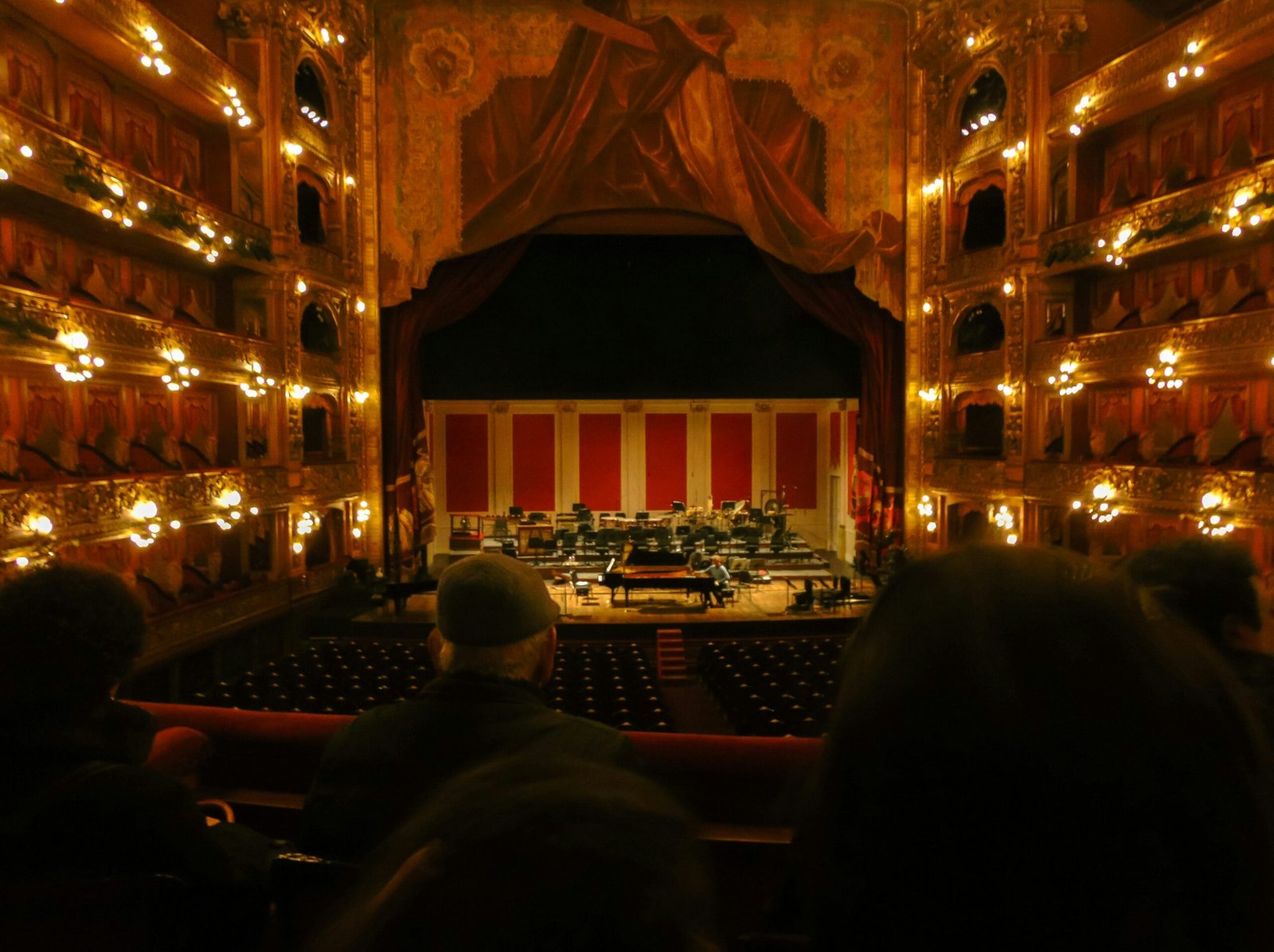
- Teatro Colón: One of the world’s most celebrated opera houses, known for its breathtaking acoustics and opulent design.
- Casa Rosada: The presidential palace, a stunning pink building that has witnessed Argentina’s most pivotal moments.
- Catedral Metropolitana: A Neoclassical cathedral where General José de San Martín’s remains are interred.
- Palacio Barolo: Inspired by Dante’s Divine Comedy, this historic skyscraper offers breathtaking views of the city.
- Cabildo de Buenos Aires: A colonial-era building that played a crucial role during Argentina’s independence movement.
Puerto Madero: Modern Elegance by the Water
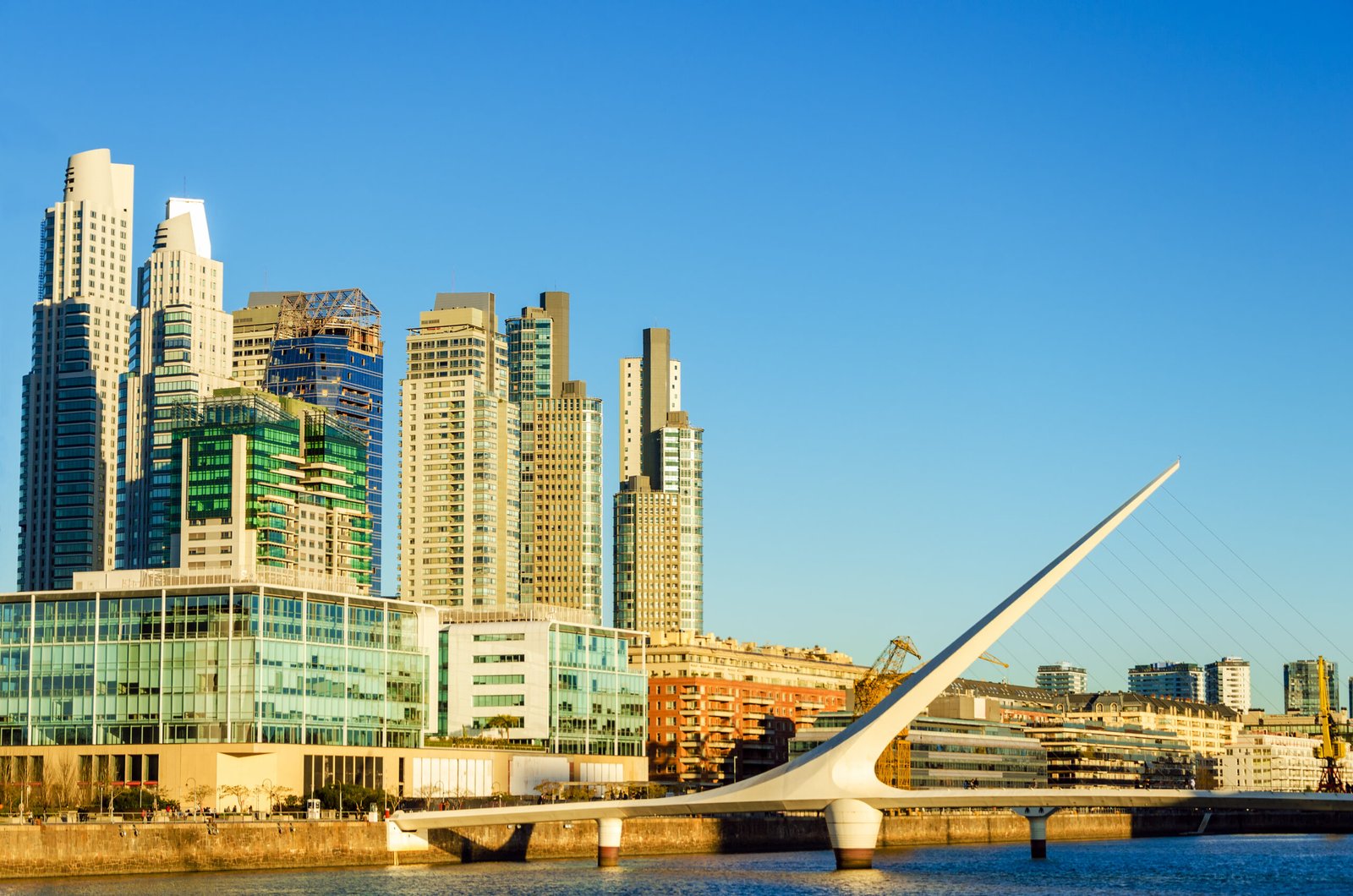
Puerto Madero is Buenos Aires’ most modern and exclusive neighborhood, offering a striking contrast to the city’s historic barrios. Once a decaying dockyard, this revitalized area has transformed into a vibrant waterfront district with sleek high-rises, world-class restaurants, and scenic promenades. Its blend of contemporary architecture and riverside charm makes it a popular destination for both locals and visitors seeking a more cosmopolitan experience.
Strolling along the Costanera Sur Ecological Reserve is a must-do activity, where you can enjoy nature trails, spot local wildlife, and take in spectacular views of the Río de la Plata. The Puente de la Mujer, a striking white suspension bridge designed by Spanish architect Santiago Calatrava, is one of the most photographed landmarks in the area. At night, the bridge is beautifully illuminated, offering a romantic atmosphere ideal for evening walks.
For dining, Puerto Madero boasts some of the city’s best restaurants.
- Cabaña Las Lilas: Renowned for its premium Argentine beef, it’s a favorite for steak lovers seeking a high-end asado experience.
- El Mercado at Faena Hotel: Offering traditional Argentine cuisine in a rustic yet luxurious setting, perfect for those looking to savor local flavors.
- La Parolaccia: An Italian favorite known for its excellent pasta and riverside views.
In addition to its culinary appeal, Puerto Madero is home to the Fragata Sarmiento, a historic naval ship turned museum, and the Museo Fortabat, which houses an impressive art collection.
Discover Buenos Aires Through Its Tango: A Journey Into the Heart of Argentina’s Soul
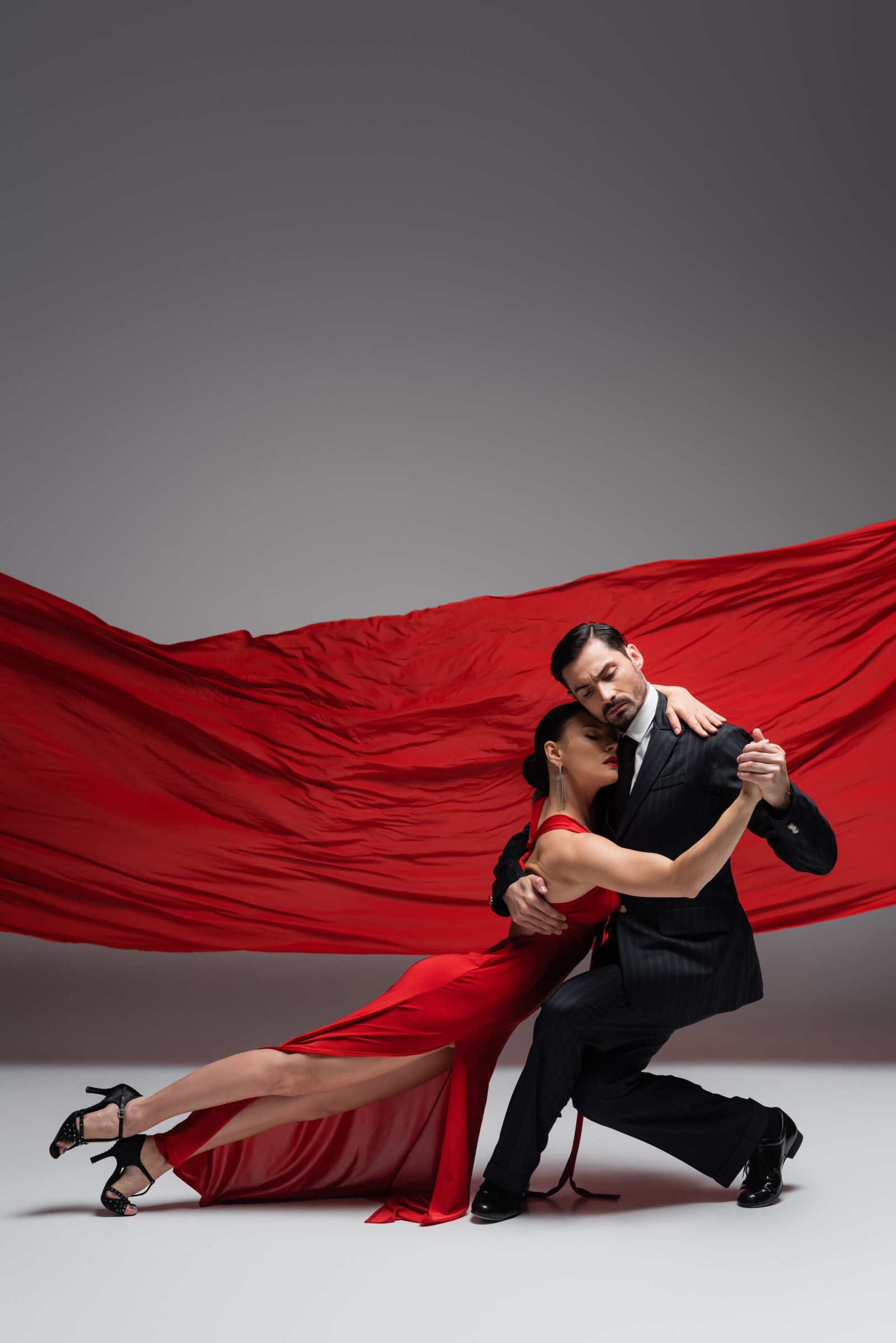
Buenos Aires is synonymous with tango—a dance, a music genre, and a cultural expression that pulses through the veins of the city. Born in the late 19th century in the working-class neighborhoods of La Boca and San Telmo, tango reflects the passion, heartbreak, and resilience of the porteño spirit. Initially danced in seedy bars and brothels, it gained acceptance among the upper classes and eventually spread worldwide. Today, tango is a UNESCO Intangible Cultural Heritage, celebrated as an essential part of Argentina’s identity.
To truly experience Buenos Aires, you must immerse yourself in its tango culture, from historic milongas to world-class performances. Here’s your ultimate guide.
Milongas are where locals gather to dance tango, and they offer an authentic glimpse into this deeply rooted tradition. Whether you’re a seasoned dancer or an enthusiastic spectator, these are the best places to experience the magic of tango.
La Catedral Club: Bohemian and artsy, this converted warehouse is a favorite among locals and tourists alike. Learn tango with beginner-friendly classes before diving into the social dance floor. The eclectic decor adds charm to the experience.
El Beso: Elegant and traditional, El Beso attracts serious tango dancers. Perfect for those looking to witness or participate in authentic, high-quality tango dancing.
Salon Canning: A classic milonga with a lively atmosphere. Great for both beginners and experts, with live music performances often accompanying the dancers.
Confiteria Ideal: Iconic and historic, this stunning venue has hosted tango legends over the decades. A must-visit for its old-world charm and impressive architecture.
La Viruta: Fun and informal, La Viruta is a fantastic place for beginners and late-night tango enthusiasts. Nightly classes, affordable entry, and a welcoming atmosphere make it a go-to spot for newcomers.
For a more theatrical experience, Buenos Aires offers incredible venues where you can watch tango performed at its finest. These shows combine skilled dancers, live music, and storytelling, bringing tango’s rich history to life.
El Querandí is one of Buenos Aires’ most iconic and intimate tango venues, located in the historic San Telmo neighborhood. Housed in a beautifully restored 1920s building, this elegant tanguería offers an authentic journey through the history of tango, from its roots in the barrios to the golden age of the 1940s. The show is both passionate and polished, featuring top-tier dancers, live musicians, and evocative vocals with three-course dinner and excellent service, El Querandí delivers a classic Buenos Aires night out—timeless, romantic, and steeped in Argentine culture.
El Viejo Almacén: One of the oldest tango venues in the city, it offers an intimate experience with passionate performances accompanied by a live orchestra.
Rojo Tango: A luxurious and exclusive show that blends traditional and modern tango. Ideal for those seeking a high-end experience.
Esquina Carlos Gardel: Named after the legendary tango singer, this venue delivers a spectacular performance in a glamorous setting.
Tango Porteño: Located near the Teatro Colón, this venue offers a grand production that pays homage to the golden age of tango in the 1940s.
Café de los Angelitos: A historic café where tango legends once gathered, offering a refined dinner show experience.
Señor Tango, located in the Barracas neighborhood, is an unmissable destination. Known as the “Broadway of Tango,” this iconic venue offers a large-scale, immersive tango show that blends traditional dance with modern theatrical flair. The venue itself is stunning, with its lavish décor, reminiscent of a classic opera house, featuring a grand stage, elegant balconies, and dazzling lighting. Founded by renowned tango performer Fernando Soler, Señor Tango is famous for its extravagant performances, live orchestra, and elaborate costumes. The show takes the audience on a journey through the history of tango, offering a spectacular mix of passion, drama, and artistry. While it’s a bit more touristy than smaller milongas, the quality of the performances and the scale of the production make it well worth a visit.
Tango isn’t just a dance; it’s the heartbeat of Buenos Aires. Whether you’re swaying to the rhythm in a dimly lit milonga, marveling at a theatrical performance, or soaking in the sounds of a live orchestra, tango connects you to the city’s past and its vibrant present.
Cafés
Buenos Aires is a city where café culture reigns supreme. From historic establishments to trendy modern spaces, cafes in Buenos Aires are more than just places to grab a cup of coffee—they’re social hubs, cultural institutions, and windows into the city’s soul. Exploring Buenos Aires through its cafes is to experience the daily rituals, conversations, and traditions that define porteño life.
Café culture in Buenos Aires is deeply ingrained in the fabric of daily life. Originating from European influences, particularly Italian and French immigrants, cafes have become the heart of social interaction. Locals linger over a café con leche (coffee with milk) or cortado (espresso with a splash of milk), often paired with medialunas (sweet croissants), while discussing politics, art, and life.
The café notable distinction, granted by the city, recognizes historic cafes for their cultural and historical significance, offering travelers a chance to sip coffee where history was made.
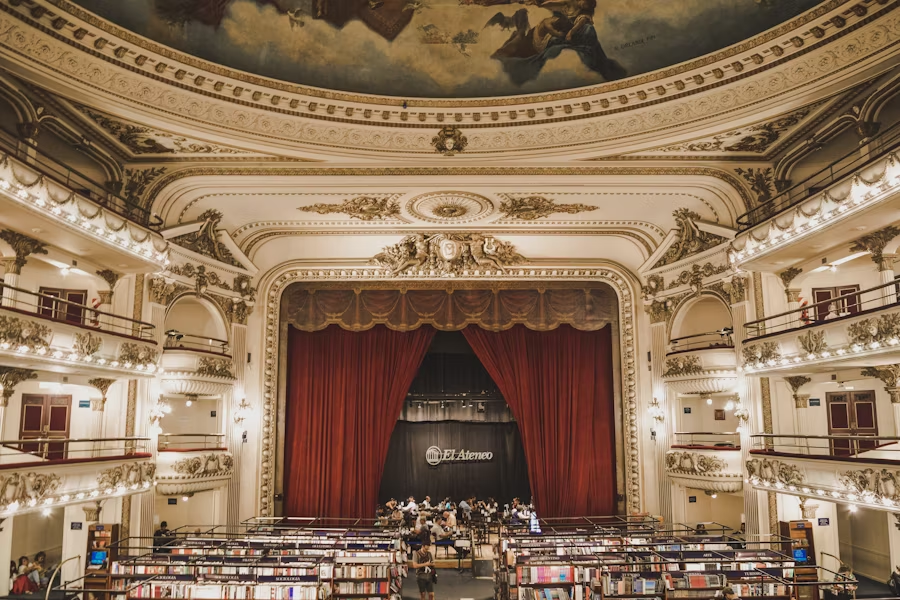
The city center is home to Buenos Aires’ most famous cafes, where history, culture, and coffee collide.
Café Tortoni: The oldest and most famous café in Buenos Aires, a favorite haunt of writers and intellectuals. London City: A literary café known for its association with Argentine writer Julio Cortázar. Las Violetas: A beautifully restored café with stained glass windows and an air of opulence.
Recoleta’s cafes exude sophistication, making them ideal spots to enjoy a leisurely coffee amidst a backdrop of history and grandeur. La Biela: This iconic café, located near Recoleta Cemetery, has been a meeting place for intellectuals and artists for decades.
Palermo’s cafes are as vibrant and innovative as the neighborhood itself, blending artisanal coffee with Instagram-worthy settings: Lattente, Cocu Boulangerie, Felix Felicis & Co.
San Telmo’s cafes reflect the neighborhood’s rich history and artistic flair, offering cozy spots to unwind after exploring its cobblestone streets. Café Rivas, El Federal, Coffee Town (San Telmo Market).
La Boca’s cafes are less about refinement and more about authenticity, offering spaces where the spirit of tango and working-class roots come alive. Il Materello Café, Bar La Perla.
Cafes in Buenos Aires are not for quick coffee stops. Sit down, relax, and embrace the leisurely pace of porteño life. Try the Medialunas: These crescent-shaped pastries are a staple, available sweet or savory, and pair perfectly with coffee.
Buenos Aires’ café scene isn’t just about great coffee—it’s deeply intertwined with the city’s intellectual and artistic life. The café literario tradition thrives in establishments that combine coffee, books, and culture, creating spaces where writers, readers, and artists gather to exchange ideas. Clásica y Moderna, one of the city’s most beloved literary cafes, offers an atmospheric setting with bookshelves lining the walls and a stage that hosts live music performances, including jazz and tango. It’s a perfect spot to sip a café cortado while enjoying a live jazz set or a poetry reading.
Another notable spot is Café Vinilo, which blends literature, live jazz, and tango in a warm, intimate environment. This café frequently hosts performances by talented local musicians, making it a favorite among culture enthusiasts. La Biblioteca Café is another gem, where a cozy library ambiance meets an eclectic program of live jazz, classical music, and theater performances.
Cuisine
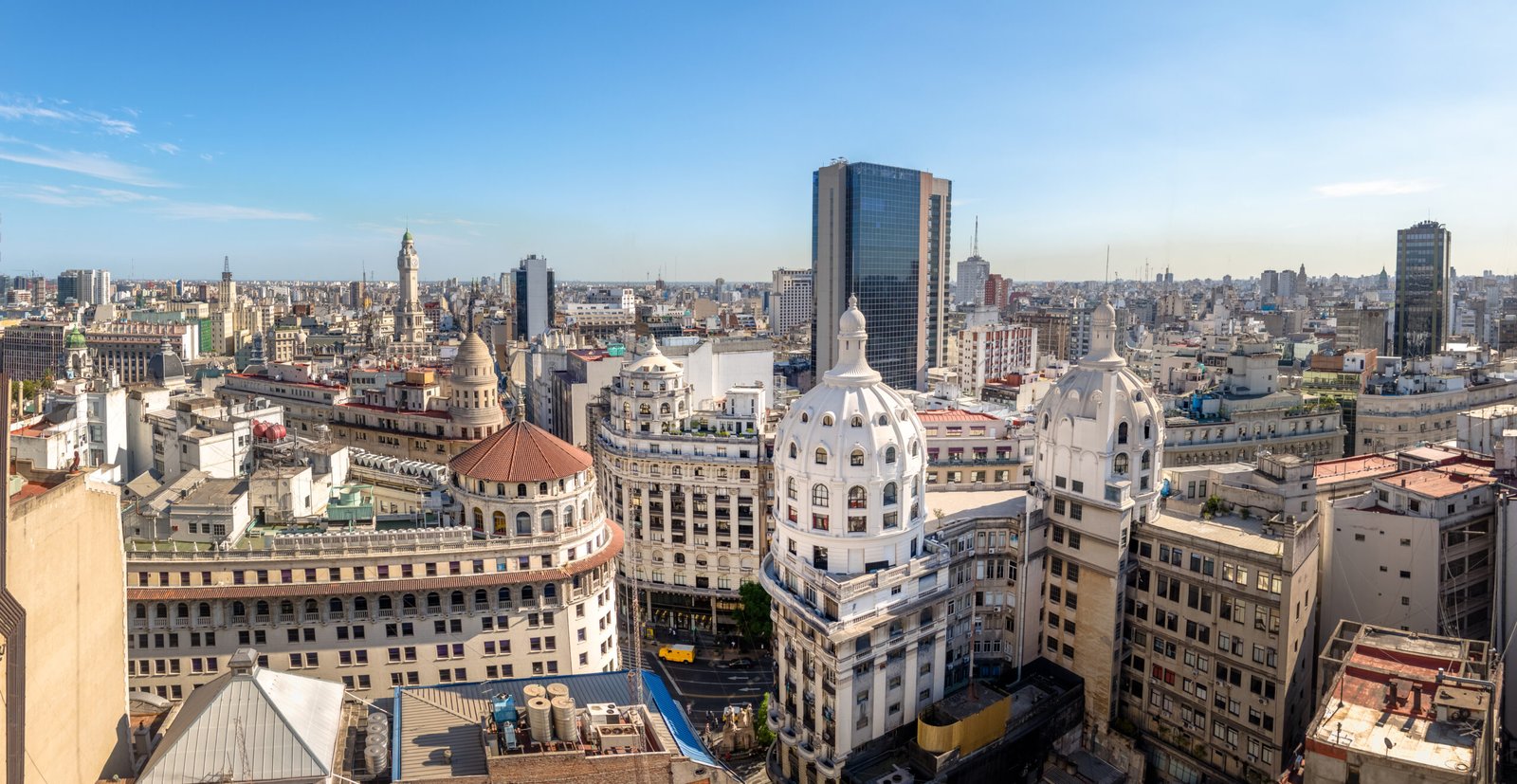
Buenos Aires is a culinary paradise where European influences meet Argentine traditions, creating a rich tapestry of flavors. From sizzling steaks to delectable pastries, the city’s food culture is a must-explore for any visitor. Here’s how to experience Buenos Aires through its cuisine, with recommendations for must-try dishes and the best places in each barrio.
Main Dishes and Foods to Try
- Asado (Argentine Barbecue): The heart of Argentine cuisine, featuring cuts like bife de chorizo, entraña, and tira de asado, grilled to perfection.
- Empanadas: Baked or fried pastries filled with beef, chicken, ham, cheese, or regional ingredients like corn (humita).
- Milanesa: Breaded and fried meat cutlet, often served a la napolitana with ham, tomato sauce, and cheese.
- Provoleta: Grilled provolone cheese, often topped with oregano and olive oil.
- Choripán: A classic street food—chorizo sausage in crusty bread, topped with chimichurri.
- Dulce de Leche Desserts: From alfajores to ice cream, this caramel-like spread is a sweet staple.
- Locro: A hearty stew with corn, beans, and meat, often enjoyed on national holidays.
- Pizza a la Piedra: Argentine-style pizza with a thin crust and generous toppings like mozzarella, ham, and olives.
Where to Eat:
Recoleta: Refined Dining and Timeless Cafes
- L’Orangerie at the prestigious Alvear Palace Hotel offers a luxurious dining experience in an elegant setting. Known for its exceptional breakfast, afternoon tea, and Sunday brunch, the restaurant features a beautifully decorated winter garden, exuding sophistication and charm. The Alvear Roof Bar is an upscale rooftop gem perched atop the iconic Alvear Palace Hotel, offering breathtaking panoramic views of Recoleta and the city skyline.
- Sottovoce is a beloved fine dining Italian restaurant nestled in the heart of Recoleta, Buenos Aires, just steps from the iconic Alvear Avenue. Known for its elegant ambiance, impeccable service, and authentic Italian cuisine, Sottovoce is a favorite among locals and visitors alike. The menu features house-made pastas, fresh seafood, and premium meats, all crafted with traditional recipes and high-quality ingredients.
- Fervor is a stylish and upscale grill house located in the elegant Recoleta district of Buenos Aire. Celebrated for its classic Argentine parrilla with a refined twist, Fervor offers an exceptional selection of premium cuts of meat, fresh seafood, and an extensive wine list showcasing Argentina’s top vineyards. The ambiance combines old-world charm with cosmopolitan flair and attentive service.
Palermo: Trendy and Diverse Flavors
- Don Julio: Frequently ranked among the best steakhouses in the world, offering perfectly cooked cuts of beef.
- La Cabrera: Another top-notch parrilla known for its generous portions and excellent sides.
- Proper: Innovative small plates served in a converted garage, combining Argentine flavors with global techniques.
- La Alacena Trattoria is a celebrated Italian restaurant renowned for its authentic cuisine and inviting atmosphere.
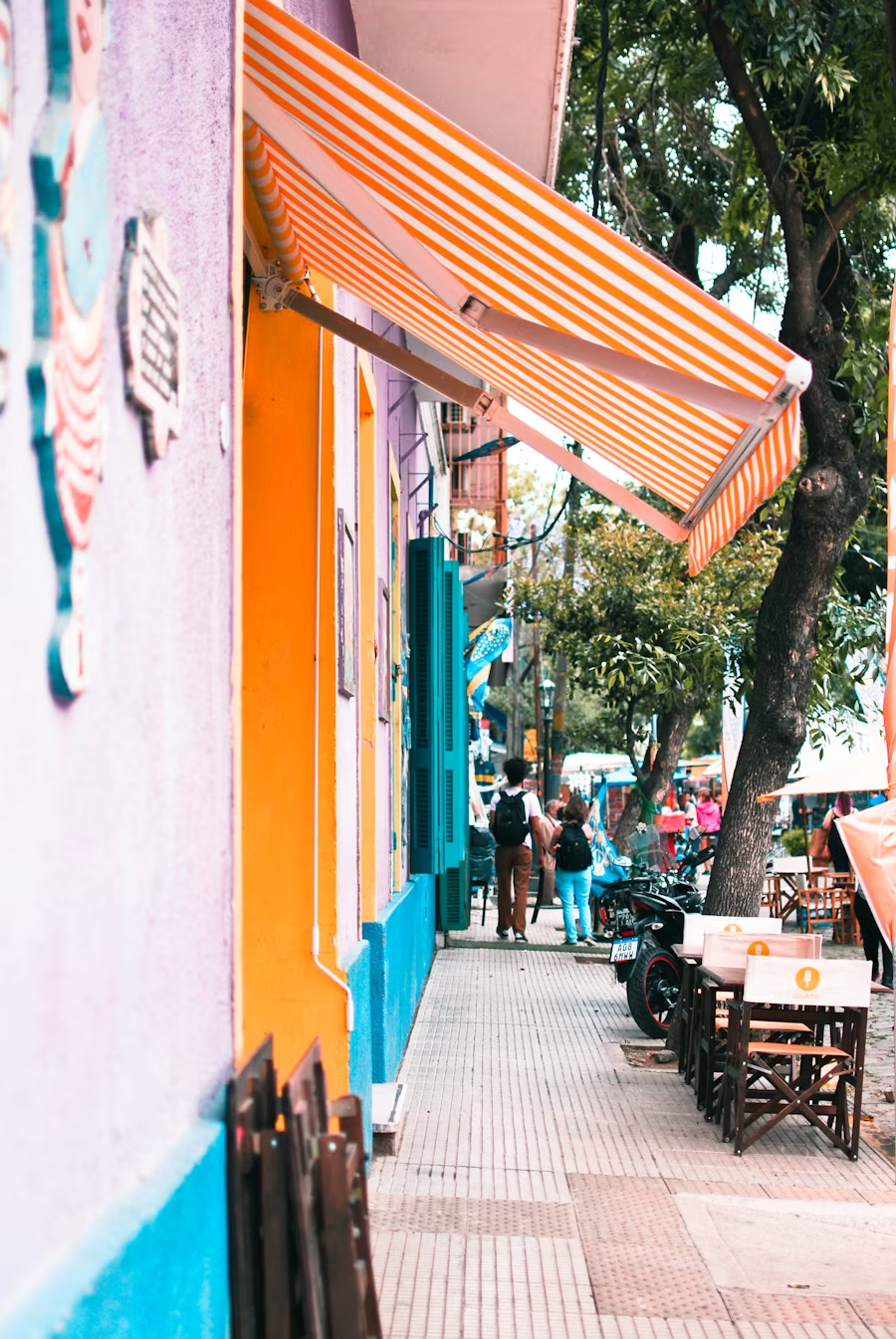
San Telmo: Rustic and Authentic Eats
- Desnivel: A no-frills spot offering some of the best parrilla dishes in the city.
- El Hornero: A favorite for empanadas baked in a traditional clay oven.
- San Telmo Market: Perfect for sampling local bites, including artisanal cheeses, fresh produce, and baked goods. Choripán in the San Telmo Market is a must-try street food experience in Buenos Aires. Tucked among antique stalls and artisanal shops, you’ll find spots like Choripánería, where the sizzling aroma of grilled chorizo draws in hungry locals and travelers alike. Served in crusty bread and topped with flavorful chimichurri or criolla sauce, the choripán here is simple, bold, and full of character. Don’t be surprised if it becomes your favorite food memory from Buenos Aires.
- El Banco Rojo: Known for its creative street food, including fusion empanadas and tacos.
- Café San Juan is renowned for its inventive Argentine and Mediterranean cuisine. The menu, presented on a chalkboard, features daily specials such as rabbit paté with plum jam and pickled lamb tongue, showcasing bold flavors and creative combinations.
- Bar El Federal is one of the city’s oldest and most cherished establishments. Established in 1864, it originally operated as a pulpería (general store) before transitioning into a bar and restaurant.
La Boca: Bold Flavors in a Colorful Setting
- El Obrero: A legendary cantina serving hearty Argentine classics in a relaxed atmosphere.
- La Glorieta de Quique: Famous for its choripán, this outdoor spot is a must for a quick bite.
- Il Matterello: An Italian restaurant offering homemade pastas, reflecting the area’s immigrant heritage.
- Patagonia Sur: A fine dining option by renowned chef Francis Mallmann, known for its elevated Argentine cuisine.
City Center: Iconic and Historic Spots
- Café Tortoni: Argentina’s oldest café, known for coffee, churros, and classic porteño charm.
- La Estancia: A classic downtown parrilla offering traditional Argentine barbecue.
- El Historico: A hidden gem for a traditional lunch in a historic building.
- Pizzería Güerrin: A must-visit for pizza a la piedra or fugazzeta (cheese and onion pizza).
Tips for Exploring Buenos Aires Through Its Cuisine: Argentinians eat late. Lunch is often around 1–2 PM, and dinner doesn’t start until 9–10 PM. Many dishes, like parrilla platters, are designed for sharing. Embrace the communal experience.
Popular spots like Don Julio and La Cabrera fill up quickly, so book in advance.Try Local Markets: Beyond San Telmo Market, visit Mercado de Belgrano or Mercado de Caballito for fresh produce and street food.
Insider Tips for Visiting Buenos Aires
Hidden Gems and Lesser-Known Tips
- Pasaje Rivarola: A picturesque hidden street in the city center, perfect for photographers.
- El Ateneo Grand Splendid: One of the most beautiful bookstores in the world, housed in a restored theater.
- Confitería La Ideal: A cherished bar notable in Buenos Aires. Established in 1912 by Spanish immigrant Manuel Rosendo Fernández, this historic café is renowned for its opulent early 20th-century European décor, featuring French chandeliers, Italian stained glass, and handcrafted woodwork. After a comprehensive restoration, La Ideal reopened its doors in November 2022, inviting patrons to once again experience its timeless elegance and rich cultural heritage.
- The New Brighton, located at Sarmiento 645 in Buenos Aires’ San Nicolás neighborhood, is a distinguished establishment that seamlessly blends history with elegance. Originally opened in 1908 as “The Brighton,” a gentlemen’s outfitter catering to the city’s elite, the venue transitioned into a restaurant in the 1940s. After a period of closure in the 1990s, it was revitalized and reopened in 2002 as “The New Brighton,” preserving its classic charm while offering a sophisticated dining experience.
- Isla El Tigre: Take a day trip to the Tigre Delta for a relaxing getaway just outside the city.
- Rooftop Views: Enjoy cocktails with a view at Trade Sky Bar or Alvear Roof Bar.
Getting Around: Buenos Aires is a sprawling city, but its transportation system makes getting around relatively easy with a little planning. Taxis are plentiful and inexpensive compared to international standards, but ensure they use the meter. Apps like Cabify or Uber are safer and often more convenient. Buenos Aires is a walker’s paradise in neighborhoods like San Telmo, Palermo Soho, and Recoleta. Just watch for uneven sidewalks!
While credit cards are widely accepted in restaurants and stores, smaller shops and markets often prefer cash.
Safety Tips: Like any big city, pickpocketing can be an issue in crowded places like the Subte, San Telmo Market, or La Boca. Keep your belongings close. Stick to Well-Lit Areas: While most tourist neighborhoods are safe, avoid wandering alone late at night in less-populated areas. Avoid hailing taxis off the street after dark; use ride-sharing apps instead.
Spring (September-November) and Fall (March-May) are the best times to visit, with pleasant weather and fewer crowds. The jacaranda trees in bloom during spring are particularly stunning.